
blog details
24
Jun
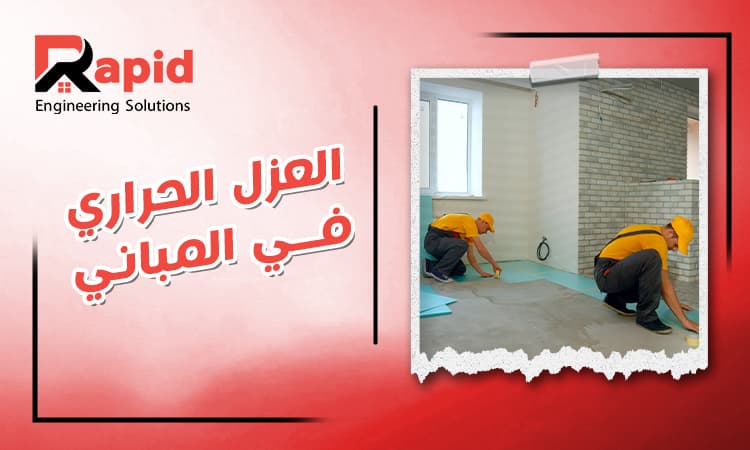
Thermal Insulation in Buildings: Benefits, Types, Materials
Did you know that poorly insulated structures can lose up to 30% to 40% of their indoor climate through bare walls, roofs, and windows? This massive energy drain doesn't just skyrocket your monthly utility bills; it actively overworks your HVAC systems and accelerates the structural degradation of your property. In modern architecture and sustainable construction, thermal insulation in buildings has shifted from a premium luxury to an absolute engineering necessity.
What is Thermal Insulation in Buildings and How Does It Work?
At its core, thermal insulation in buildings is an engineered system designed to drastically reduce the transfer of heat between the interior spaces of a structure and the external environment. Its primary objective is to maintain a stable, comfortable indoor temperature regardless of volatile weather conditions, thereby curbing excessive energy consumption.
To understand how thermal insulation in buildings achieves this, we must look at the three fundamental laws of heat transfer and how insulation combats them:
1. Conduction
Conduction occurs when heat travels through solid materials, such as concrete walls, slabs, and columns. Insulation materials counteract this by introducing barriers with very low thermal conductivity, effectively putting a halt to the molecular transfer of heat.
2. Convection
Convection involves the movement of heat through gases or liquids. Warm air rises and cool air sinks, creating currents that pull external temperatures inside. Proper insulation seals air gaps, eliminating unwanted drafts and convective air loops within wall cavities.
3. Radiation
Radiation is the transfer of heat in the form of electromagnetic waves, primarily driven by direct sunlight hitting the building's exterior. Reflective insulation barriers deflect these thermal waves away from the building envelope before they can penetrate the living spaces.
Understanding the R-Value:
The effectiveness of thermal insulation in buildings is quantified by a standard metric known as the R-value. The R-value measures a material's thermal resistance. The higher the R-value, the greater the material’s capacity to resist heat flow, resulting in superior insulation performance.
learn more about : Thermal Insulation in Homes Cost
5 Engineering and Economic Reasons Why Thermal Insulation is Imperative
Implementing comprehensive thermal insulation in buildings offers deep, compounding benefits that affect both your wallet and the building's structural integrity. Here is why engineers and developers prioritize it:
1. Exponential Energy and Financial Savings
By creating a tight thermal envelope, insulation reduces the workload on air conditioning and heating systems by 30% to 50%. In scorching summer zones or freezing winters, this translates directly into massively reduced electricity bills year-round.
2. Safeguarding Concrete and Structural Steel from Thermal Stress
Buildings are subjected to extreme diurnal temperature swings. This constant cycling causes concrete and rebar to expand and contract—a phenomenon known as thermal stress. Over time, this leads to micro-cracks and structural fatigue. Thermal insulation in buildings acts as a protective blanket, stabilizing structural temperatures and extending the lifecycle of the building.
3. Elevating Indoor Thermal Comfort
True comfort isn't just about turning the AC to max; it’s about radiant temperature uniformity. Insulation ensures that walls and ceilings remain close to the ambient indoor air temperature, eliminating the cold drafts of winter and the "radiator effect" of hot walls in the summer.
4. Downsizing HVAC Capital Expenditures (CapEx)
When the thermal loads of a building are minimized via high-efficiency insulation, mechanical engineers can specify smaller, less expensive HVAC systems. This lowers your upfront purchasing and installation costs, while ensuring the smaller systems run more efficiently.
5. Compliance with Building Codes and Sustainability Goals
Modern building regulations, including the Egyptian Building Code and international Green Building standards, now mandate strict compliance regarding energy conservation. Integrating thermal insulation in buildings aligns your property with national sustainability mandates and significantly reduces its overall carbon footprint.
Mapping the Building Envelope: Where Should Insulation Be Applied?
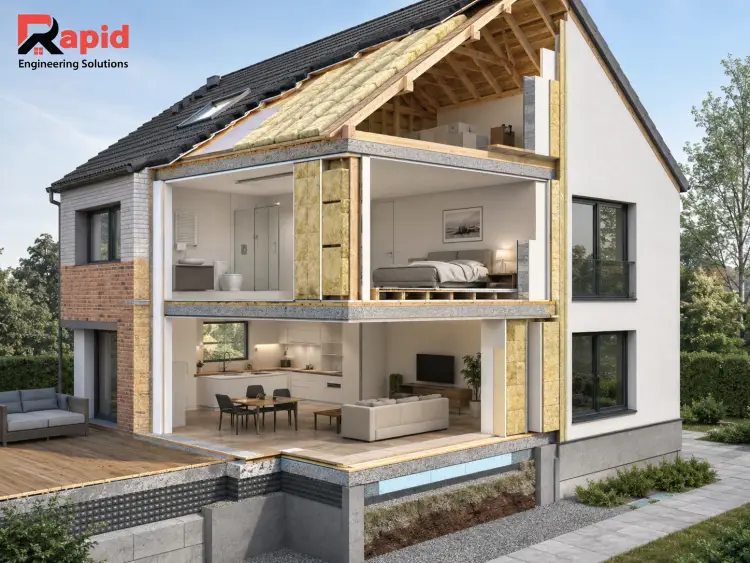
To achieve an airtight thermal barrier, insulation must encapsulate what engineers call the Building Envelope. This represents the physical separator between the conditioned interior and the unconditioned exterior.
|
Building Component |
Primary Function of Insulation |
Common Materials Used |
|
Roofs & Decks |
Deflects intense, direct solar radiation. |
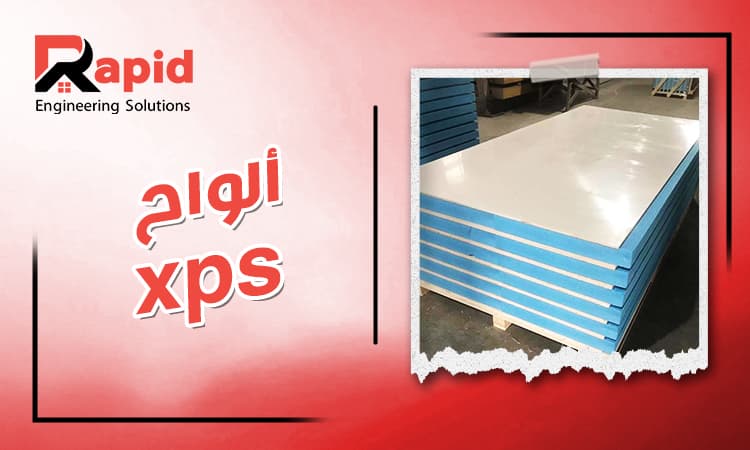
Polyurethane Spray, Extruded Polystyrene (XPS) |
|
Exterior Walls |
Blocks lateral heat transfer across large surface areas. |
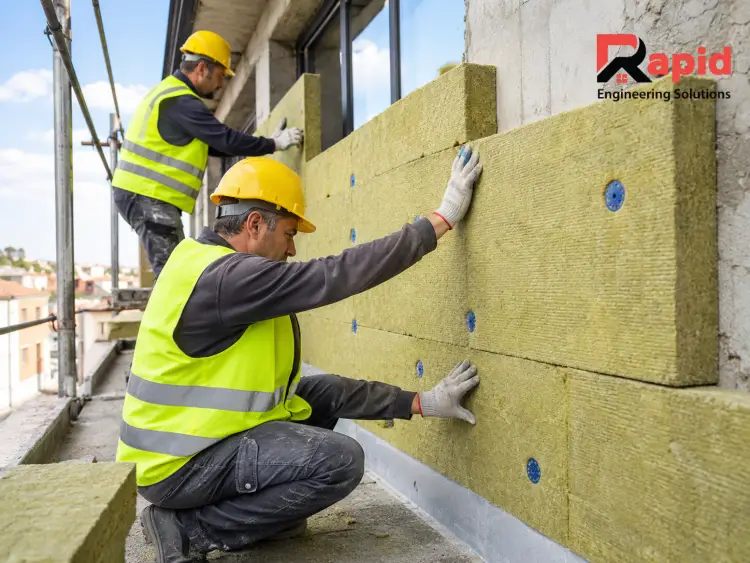
Rock Wool, Cavity Insulating Boards, External EIFS |
|
Floors & Foundations |
Prevents geothermal heat/cold transfer and moisture ingress. |
High-density EPS, Vapor barriers |
|
Windows & Openings |
Eliminates weak thermal links via advanced glazing. |
Double/Triple Glazing, Thermal Break Aluminum |
learn more about : Wall insulation
Roof Insulation
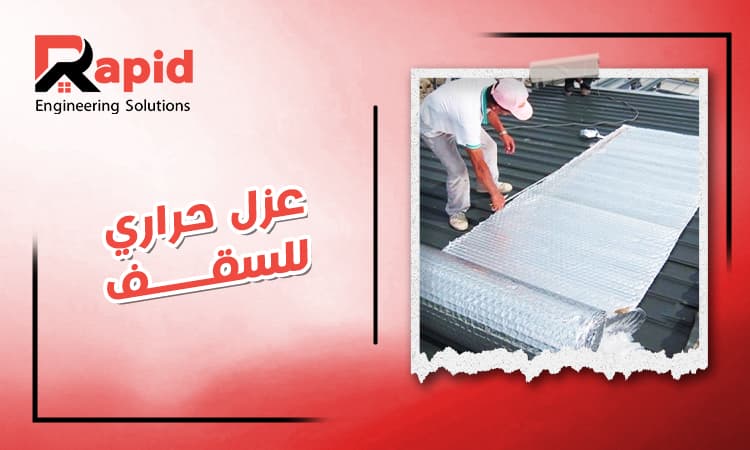
The roof is the most vulnerable element of any building, receiving direct sunlight for the majority of the day. Without proper roof insulation, upper floors can become virtually uninhabitable during peak summer.
Wall Insulation
Because walls account for the largest surface area of a building's exterior, they are major culprits for thermal loss. Engineers typically insulate walls using two primary methods:
- Double-Wall System: Installing rigid insulation boards sandwiched between two layers of brickwork.
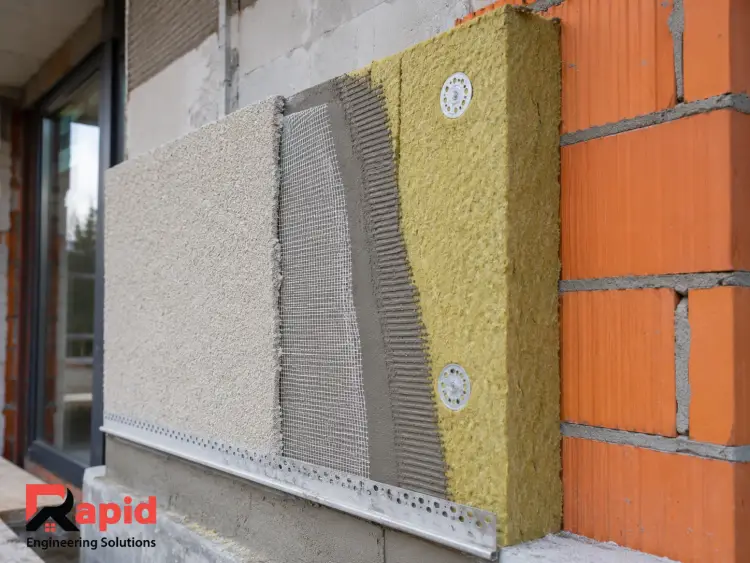
- External Insulation and Finish Systems (EIFS): Applying insulation panels directly to the outside of the building, covered with a protective, decorative render.
Floor and Foundation Insulation
Often overlooked, uninsulated ground floors allow heat to bleed into the earth or moisture to seep upward. Insulating foundations keeps the ground-level microclimate stable and dry.
Window and Door Insulation (Double Glazing)
Glass openings are notorious thermal weak points. Utilizing Double Glazing (two panes of glass separated by a vacuum or gas-filled space) slows down thermal transmission significantly, turning windows from energy liabilities into insulating assets.
Beware of Thermal Bridges: The Silent Killer of Insulation
Even if you invest in the highest-grade materials, your system can experience catastrophic efficiency loss due to Thermal Bridges.
A thermal bridge is a localized area within the building envelope that has significantly higher thermal conductivity than the surrounding insulated structures. These bridges typically occur where structural elements lack continuity of insulation—such as exposed concrete columns, floor slab edges, beams, or balcony projections.
When these concrete elements are left uninsulated, they act as highly conductive pathways, rapidly transferring heat inward during summer and sucking heat outward during winter. Thermal bridging can degrade the overall efficiency of thermal insulation in buildings by up to 50% if left unaddressed by expert engineering.
Top Materials Deployed for High-Performance Thermal Insulation
Choosing the right material requires balancing thermal performance, fire safety, moisture resistance, and budget. The industry standards include:
Rock Wool (Mineral Wool)
Derived from natural basalt rock, Rock Wool offers top-tier thermal and acoustic insulation. It is completely non-combustible, boasting excellent fire-retardant properties that provide vital passive fire protection.
Polyurethane Foam (SPF)
Polyurethane spray foam provides unmatched thermal resistance with minimal thickness. It expands upon application, seamlessly filling every crevice and acting as both an exceptional thermal barrier and an air sealant. It is highly sought after for premium thermal insulation in buildings.
Expanded Polystyrene (EPS)
EPS is a lightweight, cost-effective, and highly versatile rigid board insulation. It provides a reliable R-value per dollar spent, making it an incredibly popular option for mass residential wall and floor insulation systems.
Learn more about the product Fire Thermal Insulation Coating offered on our website
Critical Execution Mistakes That Ruin Insulation Performance
The ultimate success of thermal insulation in buildings relies entirely on flawless field execution. Common installation blunders include:
- Leaving Gaps Between Insulation Boards: Micro-gaps between panels act as immediate thermal leaks, severely compromising the continuous thermal barrier.
- Neglecting Waterproofing Over the Insulation Layer: When moisture infiltrates porous insulation materials like rock wool or EPS, water displaces the trapped air pockets, causing the material to permanently lose its thermal resistance.
- Ignoring Structural Junctions: Failing to wrap insulation smoothly around beam-to-column junctions guarantees the creation of destructive thermal bridges.
Why Rapid is Your Premier Partner for Thermal Insulation Projects
Achieving code-compliant, highly efficient thermal insulation in buildings demands specialized engineering mastery, not just general contracting. This is where Rapid establishes industry benchmarks.
As a leading insulation specialist, Rapid delivers end-to-end precision through:
- Full adherence to local and international green building codes.
- Utilizing state-of-the-art Thermal Imaging Cameras to pinpoint hidden thermal bridges and eliminate energy leaks before handover.
- Elite, certified technical crews trained to avoid common pitfalls like gaps and improper layering.
- Bespoke, integrated waterproofing and thermal systems tailored for commercial, industrial, and premium residential sectors.
Frequently Asked Questions (FAQ)
Does thermal insulation replace the need for waterproofing?
No. They are complementary but completely distinct systems. Thermal insulation stops heat transfer, whereas waterproofing stops liquid water penetration. For ultimate building protection, they must be engineered to work together as a unified system.
When is the ideal time to install thermal insulation in a new building?
The best time is during the core structural phase before interior plastering and exterior finishing take place. This allows seamless integration of insulation boards within wall cavities and roof assemblies.
Can thermal insulation be retrofitted into older, existing buildings?
Yes, older structures can absolutely undergo thermal retrofitting. This is highly effective when utilizing external insulation systems (like EIFS) on exterior walls or adding blown-in insulation to existing roof and attic spaces.
Conclusion
Investing in robust thermal insulation in buildings is one of the smartest engineering choices you can make for your property. It ensures permanent energy savings, protects your structural concrete from degrading thermal stress, and guarantees premium indoor comfort. Because the system's longevity hinges entirely on perfect execution, partnering with an industry leader like Rapid ensures your insulation performs flawlessly for decades to come.
Latest posts
.jpeg&w=3840&q=75)
Jul 08
Waterproofing and Thermal Insulation: Complete Guide

Jul 05
Where to Buy Epoxy Resin in Egypt | Best Suppliers 2026
Jun 29
XPS Board Price in Egypt 2026 | Best Insulation Solution

Jun 29
Roof Insulation Foam Price in Egypt 2026 | Best Deals & Cost
Jun 29
Best Roof Thermal Insulation Sheet Price in Egypt 2026
Jun 29