
blog details
10
May
Top Benefits of Bitumen Waterproofing in Modern Construction
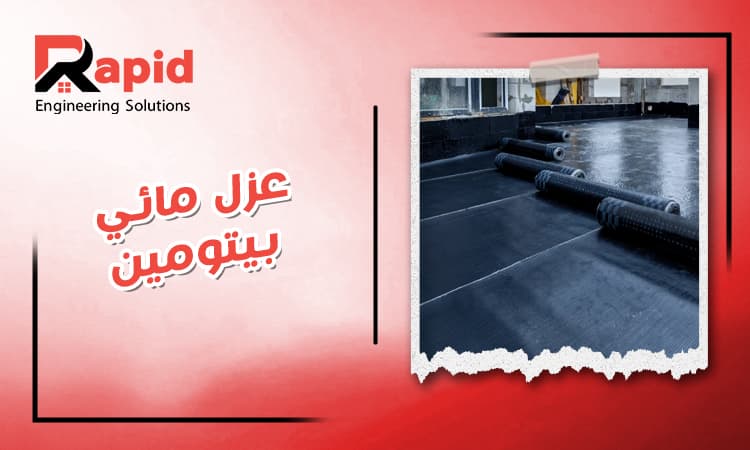
Bitumen waterproofing stands as one of the most vital engineering solutions relied upon to shield buildings from hidden threats specifically groundwater leakage and moisture that jeopardize structural foundations over time. Bitumen acts as a formidable barrier, preventing water penetration and protecting concrete from the corrosive effects of salts and minerals. Consequently, it is viewed as the first line of defense for any facility seeking safety and sustainability from the very earliest stages of construction.
What is Bitumen Waterproofing and Why is it the Most Popular Choice?
Bitumen waterproofing refers to the application of bitumen a viscous, black, petroleum-derived substance to create an impermeable layer. This layer prevents water and dampness from reaching concrete and various surfaces. This system is widely favored due to its superior ability to seal concrete pores and cracks, its resistance to groundwater and rain, and its economic cost-effectiveness compared to many other materials. This makes it a highly practical choice for both residential and commercial projects.
Types of Bitumen Used in Waterproofing (A Comprehensive Guide)
Different bitumen waterproofing systems from Rapid are designed to suit diverse building types, surfaces, and levels of exposure to moisture or groundwater. Choosing the right type depends on the application area, implementation method, and required protection level. Understanding these differences helps in achieving optimal results and reducing future maintenance costs.
learn more about : thermal insulation panels
1. Cold Bitumen (Liquid/Rubberized Coating)
This is the most common type for quick and simple tasks because it is applied directly without the need for heating or specialized equipment. Cold bitumen waterproofing for bathroom and kitchen projects is highly effective as it can be easily spread using a roller or brush. It offers a higher safety margin during application compared to hot types. This flexible layer is ideal for balconies, small roofs, and walls exposed to humidity, as it efficiently seals fine concrete pores to prevent seepage.
2. Hot Bitumen (Oxidized/Solid)
Also known as hot bitumen insulation, this is one of the strongest and most durable traditional methods. It comes in a solid form that must be heated until molten before being spread onto surfaces to form a dense, high-adhesion layer. This method is preferred for heavy-duty protection, such as bitumen waterproofing for concrete foundations, basement walls, and septic tanks, especially in areas with high groundwater tables. It is characterized by its high resistance to constant moisture and its ability to withstand backfilling pressure.
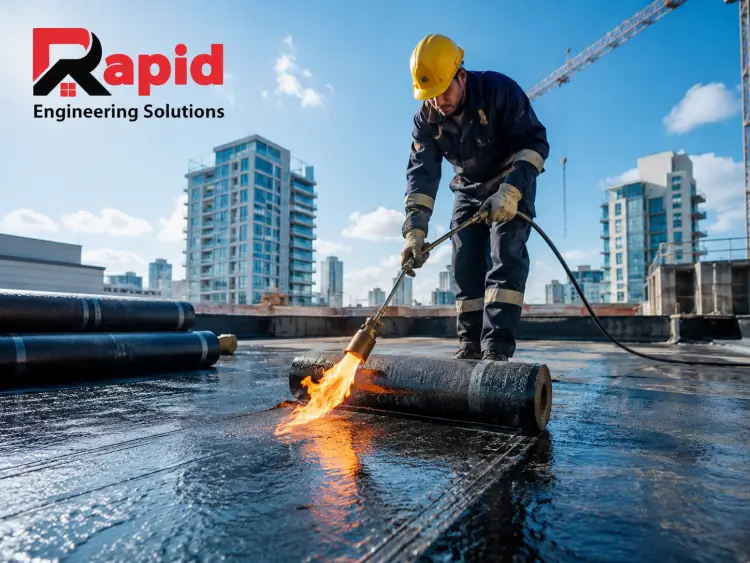
3. Bitumen Membranes (Rolls)
The use of bitumen rolls is a modern and practical solution. These factory-made rolls come in various thicknesses and are installed using heat (torching) or self-adhesive backing. They provide a uniform, strong layer that minimizes leakage risks over large areas. This form of bitumen insulation is widely used for roofs, water tanks, and foundations due to its speed of execution and long lifespan when installed correctly.
Practical Comparison: Cold vs. Hot Bitumen
To choose the right bitumen waterproofing system, a client must consider the nature of the site, execution conditions, and the necessary protection level.
|
Comparison Element |
Cold Bitumen |
Hot Bitumen |
|
Preparation |
Ready to use immediately without heating. |
Requires heating and specialized preparation. |
|
Safety |
Safer for enclosed spaces; no high heat emitted. |
Requires strict safety precautions during heating. |
|
Adhesion Strength |
Good for standard surfaces and light works. |
Extremely strong; ideal for difficult concrete surfaces. |
|
Drying Speed |
Relatively short drying time based on weather. |
Solidifies rapidly after cooling. |
|
Best Use Case |
Bathrooms, kitchens, balconies. |
Foundations, retaining walls, groundwater areas. |
learn more about : waterproofing for roofs
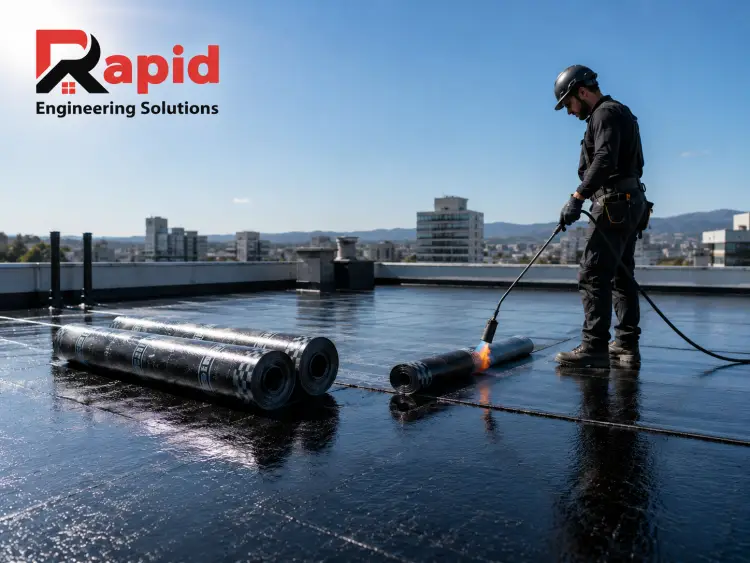
Engineering Steps for Professional Bitumen Waterproofing Execution
The success of a bitumen waterproofing method depends not only on the quality of the material but also on the correct engineering execution and surface preparation. Even the best materials can fail if applied to an unconditioned surface.
1. Total Surface Preparation
The process begins by cleaning the surface of dust, oils, concrete residues, and any weak materials that might prevent adhesion. Cracks and joints must be treated first. Then, a "bottle-neck" (chamfer) is created at the intersection of walls and floors—a slanted angle that prevents water concentration and reduces the risk of the insulation layer cracking at corners.
2. Applying the Primer Layer
After cleaning, a thin layer of primer is applied to seal concrete pores and improve the adhesion of the bitumen waterproofing to the surface. This step is essential whether you are using cold bitumen or preparing for membrane installation. The primer must be left to dry completely before proceeding.
3. Applying the Waterproofing Layers
The first coat of bitumen is applied evenly. Once dry, a second coat is applied perpendicular to the first to ensure all pores and gaps are covered. In large-scale projects or highly humid areas, a large drum of bitumen insulation may be used to cover vast areas efficiently, particularly for external walls and foundations.
4. Incorporating Membranes
In sites requiring maximum protection, contractors may combine liquid coatings with 4mm membrane rolls. This provides a thick, robust layer that resists groundwater pressure. This is often cited as the best bitumen waterproofing for concrete structures that demand longevity.
5. Final Protection Layer
Once the insulation is finished and tested, it must be protected before backfilling or tiling. This is done using protection boards, a light cement screed, or a mechanical barrier. This step prevents damage to the insulation during subsequent construction phases.
Critical Errors That Ruin Bitumen Insulation Efficiency
Despite the strength of bitumen waterproofing systems, certain execution errors can lead to total failure. Avoiding these practices is crucial to prevent costly repairs:
- Applying on Wet Surfaces: Painting bitumen on a damp surface prevents proper bonding, leading to peeling or separation.
- Rushing Layers: Not waiting for the first coat to dry before applying the second traps moisture between layers, causing bubbles and weak spots.
- Excessive Dilution: Some installers dilute bitumen with water or diesel to save on bitumen waterproofing price or ease application. This weakens the material's density and drastically shortens its lifespan.
- Neglecting Surface Prep: Failing to clean dust or ignoring the "bottle-neck" chamfer at joints creates weak points where leaks inevitably occur.
learn more about : roof thermal insulation sheet
Why Rapid is Your Ideal Partner for Waterproofing Projects?
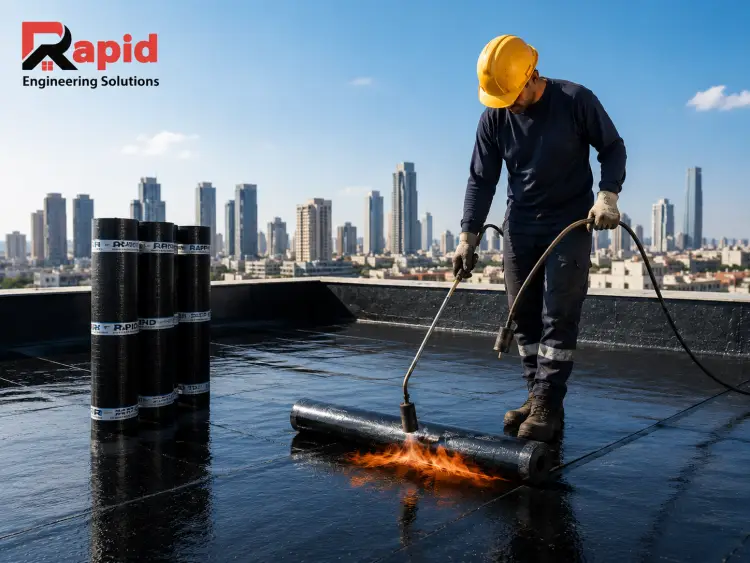
If you are looking for professional execution that guarantees protection, bitumen waterproofing with Rapid provides the confidence your project deserves. We adhere to standard specifications at every stage, from site inspection to final quality testing.
Rapid utilizes the highest quality materials available in the market, whether liquid bitumen or certified membranes. We ensure that the bitumen waterproofing price reflects a value-driven investment in durability. Our engineering supervision is rigorous, monitoring thickness, application methods, and joint treatments to ensure a flawless finish.
For clients seeking a professional level of bitumen insulation that protects their investment and avoids future maintenance headaches, Rapid is the premier choice.
Frequently Asked Questions
Can bitumen be applied over ceramic tiles?
It is possible in some cases after roughening the surface and using a specific primer, but removing the tiles is always recommended for the best adhesion.
What is the consumption rate of a bitumen drum for foundations?
The rate varies by material type, but on average, a drum covers approximately 40 to 60 square meters per coat.
Does cold bitumen need to be diluted before use?
Generally, no. It should not be diluted unless specifically recommended by the manufacturer’s technical datasheet.
Conclusion
In conclusion, bitumen waterproofing remains one of the most effective solutions for protecting buildings and foundations from the dangers of moisture. However, the quality of the result is entirely dependent on choosing the right materials and following precise engineering standards.
For clients searching for guaranteed quality and professional results, we recommend partnering with Rapid. We are the experts in executing insulation projects with high professionalism, using the best materials under specialized engineering supervision to ensure protection that lasts for years.
Contact us today at: (+201055077991).
Latest posts
.jpeg&w=3840&q=75)
Jul 08
Waterproofing and Thermal Insulation: Complete Guide
Jul 05
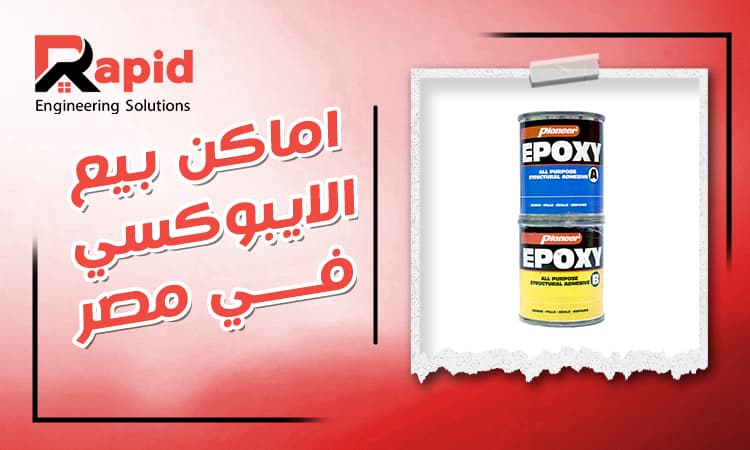
Where to Buy Epoxy Resin in Egypt | Best Suppliers 2026
Jun 29
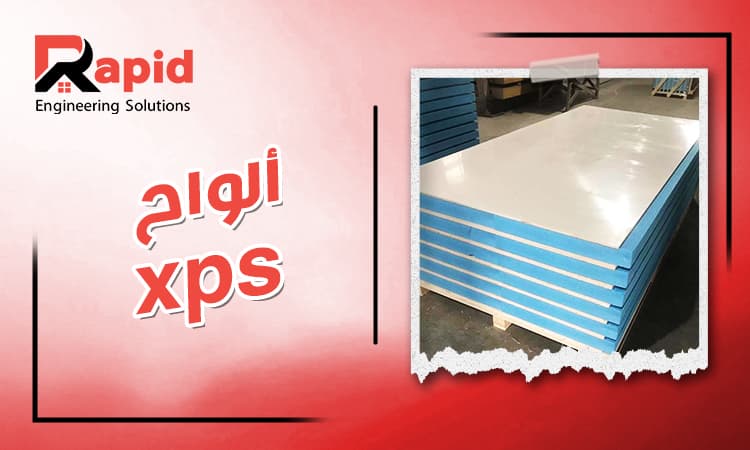
XPS Board Price in Egypt 2026 | Best Insulation Solution
Jun 29
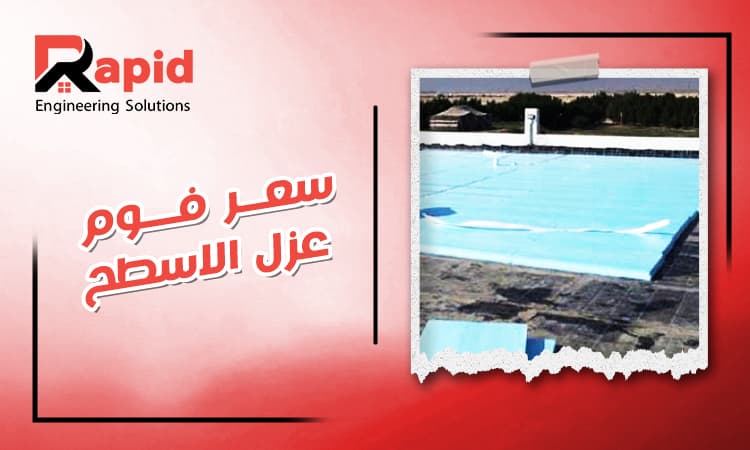
Roof Insulation Foam Price in Egypt 2026 | Best Deals & Cost
Jun 29
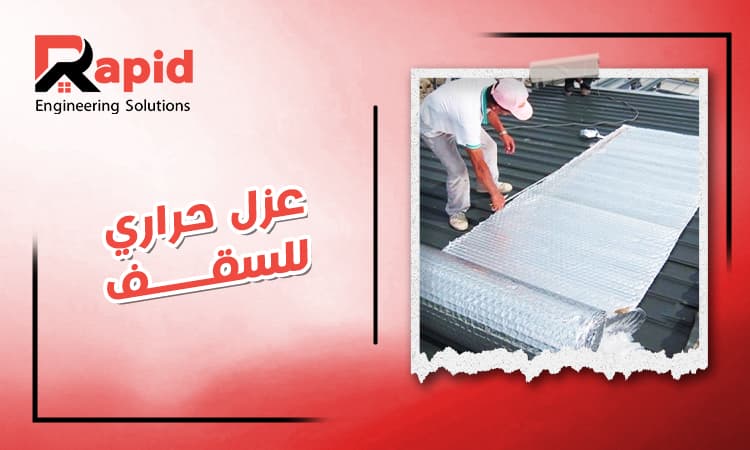
Best Roof Thermal Insulation Sheet Price in Egypt 2026
Jun 29