
blog details
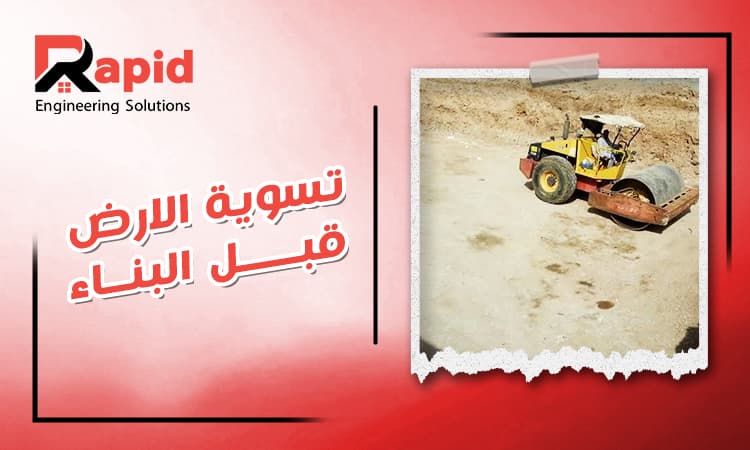
04
Mar
Land Grading Services 2026 | Cost & Process & Benefits
Did you know that most building cracks and foundation settlements start with a simple error in soil preparation? Many issues related to insulation failure and structural weakness are not caused by the materials themselves, but by neglecting professional land grading services before construction begins. Site preparation is not just a preliminary step; it is the true foundation upon which the longevity and stability of your building are established.
In this article, we will explore the precise engineering steps for soil leveling, the essential equipment used, and how land grading and excavation protect foundations from future damage. At Rapid, we believe that investing in high-quality land grading services is the best way to protect your construction investment and avoid costly future repairs.
What is Land Grading in Construction?
Grading in construction is the engineering process of preparing a site to ensure the foundation can be implemented safely and efficiently. It primarily involves two processes:
-
Clearing: Removing debris, rocks, and vegetation.
-
Leveling: Adjusting the soil levels through cutting and filling to achieve a specific horizontal plane or slope.
Choosing expert land grading services ensures that your site reaches a stable, engineered surface capable of supporting heavy loads while ensuring efficient drainage and insulation.
Learn more about : concrete floor paints
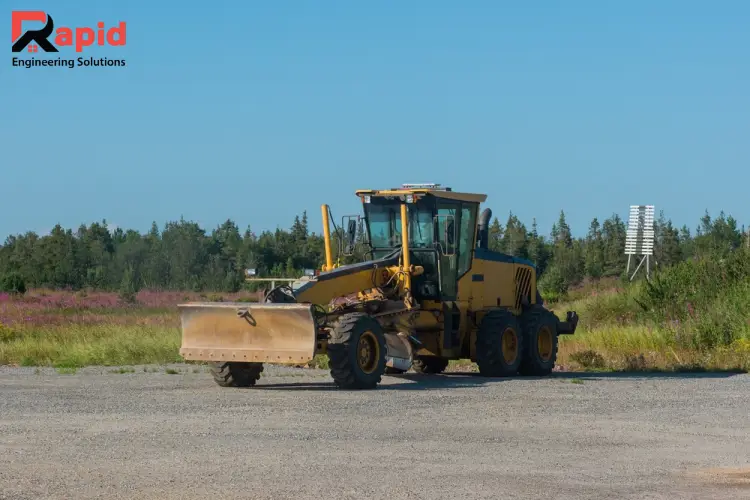
The Importance of Residential Land Grading Services
Whether you are building a home or a commercial facility, residential land grading services offer several critical benefits:
-
Balanced Load Distribution: When soil is properly leveled and compacted by land grading services, building loads are distributed evenly, reducing uneven pressure that causes structural cracks.
-
Preventing Soil Settlement: Improperly prepared soil can settle after construction, leading to wall cracks and plumbing failures.
- Optimized Drainage: A key goal of land grading and leveling is directing rainwater away from the foundation. Poor drainage leads to water accumulation, which threatens waterproofing systems and erodes concrete.
-
Efficient Equipment Movement: Level ground allows heavy machinery to operate safely, speeding up the project timeline.
Engineering Steps in Land Grading and Excavation
Rapid follows a rigorous engineering methodology to ensure your land is ready for construction:
-
Surveying: Using modern devices to set precise elevations according to blueprints.
-
Site Clearing: Removing all obstacles and old debris to ensure a stable work environment.
-
Cut and Fill: This core part of land grading and excavation involves cutting high areas and filling low spots to reach the "zero level."
-
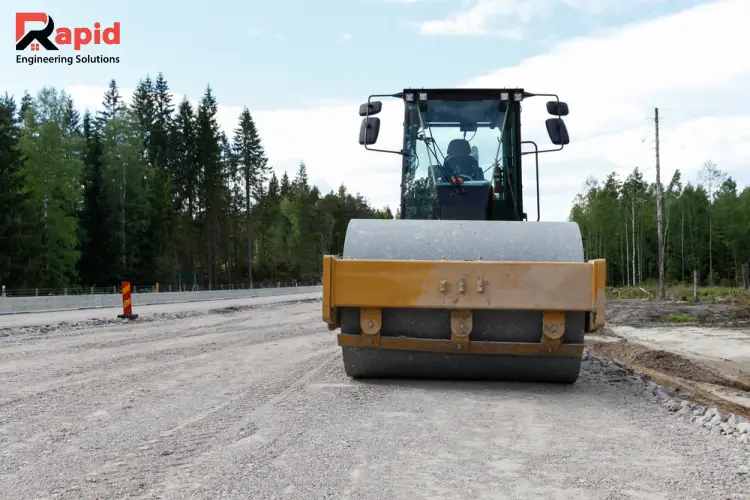
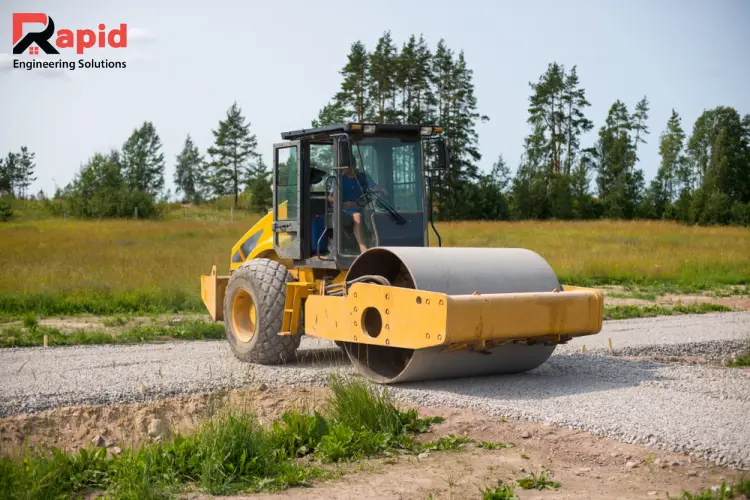
Compaction: A crucial step where specialized equipment presses the soil to increase density and prevent future settlement.
Learn more about : concrete rehabilitation
Understanding Land Grading Cost
Many property owners ask about the land grading cost. While it varies based on site size, soil type, and the amount of debris, it is a vital investment. Choosing cheap, non-professional land grading services often leads to much higher costs later in the form of foundation repairs and insulation fixes. At Rapid, we provide transparent pricing for comprehensive land grading and leveling to ensure long-term savings.
Heavy Equipment Used in Land Grading Services
To achieve precision, Rapid utilizes specialized heavy machinery:
-
Bulldozers: For pushing soil and clearing surface layers.
-
Excavators: Essential for deep land grading and excavation and removing large rocks.
-
Graders: Used for final leveling and creating precise engineering slopes.
-
Compactors: Crucial for increasing soil density to support the building’s weight.
How Land Grading and Leveling Affects Insulation
Land grading services are the deciding factor in the success of your waterproofing and flooring systems. When Rapid performs professional land grading and leveling, it creates a stable base for the "blinding concrete" layer. If the soil underneath is unstable, any minor settlement will tear the insulation membranes, allowing groundwater to seep into the foundations.
Learn more about : shotcrete price
Common Mistakes to Avoid in Grading in Construction
Success starts with quality soil preparation. Avoid these frequent errors:
-
Neglecting Soil Testing: Skipping tests means you don't know the soil's load-bearing capacity.
-
Using Improper Fill Dirt: Using organic materials or construction waste for filling leads to voids and eventual collapse.
-
Poor Layer Compaction: Fill must be added in layers (usually every 25 cm) and compacted individually to eliminate air pockets.
Conclusion
The secret to a building that lasts for decades is a correct start. Professional land grading services don't just protect the foundation; they set the stage for every subsequent phase, from concrete pouring to industrial flooring.
After completing the grading in construction and pouring the foundations, the next vital step is protecting the structure with high-end waterproofing. This is where Rapid excels. Our team of experts specializes in executing advanced insulation layers and industrial solutions to the highest engineering standards.
Contact Rapid today for the most reliable land grading services and ensure your project is built on solid ground.
Latest posts
.jpeg&w=3840&q=75)
May 24
Moisture Insulation | Types, Uses, and Best Waterproofing
.jpeg&w=3840&q=75)
May 20
Moisture Insulation Price 2026: Cost for Homes and Buildings

May 19
Thermal Insulation in Buildings: Benefits, Types, Materials
.jpeg&w=3840&q=75)
May 17
Epoxy Primer Price: Complete Costs, Benefits, and Best Uses
.jpeg&w=3840&q=75)
May 17
Best Waterproofing for Roofs | Ultimate Guide Protection
.jpeg&w=3840&q=75)
May 17