blog details
.jpeg&w=3840&q=75)
24
May
Moisture Insulation | Types, Uses, and Best Waterproofing
Moisture is widely recognized as one of the most hazardous threats to the long-term structural integrity of any building. It does not simply ruin the aesthetic appeal of your walls and ceilings; its destructive effects penetrate deep into the internal core of the structure. Over time, unchecked dampness severely weakens concrete matrices and accelerates the corrosion of steel reinforcement bars. This structural degradation significantly reduces the overall lifespan of the property.
With the rapid and unpredictable climate shifts witnessed across the globe in 2026, implementing an advanced moisture insulation system has transformed from an optional construction upgrade into an absolute engineering necessity. Protecting structures from water leaks and dampness is the only definitive way to safeguard your investments. In this comprehensive guide, Rapid reviews the latest engineering technologies and state-of-the-art insulation materials designed to deliver robust, sustainable protection—ensuring your real estate assets withstand wear, tear, and corrosion for decades to come.
What is Moisture Insulation (Waterproofing & Damp-proofing)?
Although many people use the terms "waterproofing" and "moisture insulation" interchangeably, there is a profound difference between them from an engineering standpoint. Each system serves a distinct purpose based on the nature of the water exposure, environmental conditions, and the level of hydrostatic pressure exerted on the structural elements.
1. Waterproofing (Structural Water Exclusion)
- Definition: This refers to protecting a building from the penetration of liquid water that exerts direct, continuous, or active fluid pressure against the structure. This phenomenon is technically known as hydrostatic pressure.
- Primary Applications: It is deployed in areas explicitly prone to severe water accumulation or submersed conditions. Examples include roofs, water tanks, bathrooms, swimming pools, basements, and wastewater sumps, where water presence is constant or highly frequent.
- Mechanism: Waterproofing creates an impenetrable, continuous barrier that completely blocks the passage of liquid water through concrete pores or structural cracks, even under complete submersion or torrential rainfall.
2. Moisture Insulation (Damp-proofing)
- Definition: Alternatively, moisture insulation acts as a preventative shield designed to stop the migration of soil moisture or water vapor into the building’s foundations and walls via capillary action.
- Primary Applications: This method is utilized when there is no standing water or severe hydrostatic pressure, but rather sub-surface earth moisture that slowly infiltrates concrete footings, grade beams, and retaining walls.
- Mechanism: It minimizes the concrete's absorption capacity, successfully preventing the formation of efflorescence (salt petre), paint peeling, and toxic mold growth. However, it is not engineered to withstand direct liquid water pressure or prolonged flooding.
learn more about : moisture insulation price
Sources of Moisture in Buildings: Why Do We Insulate?
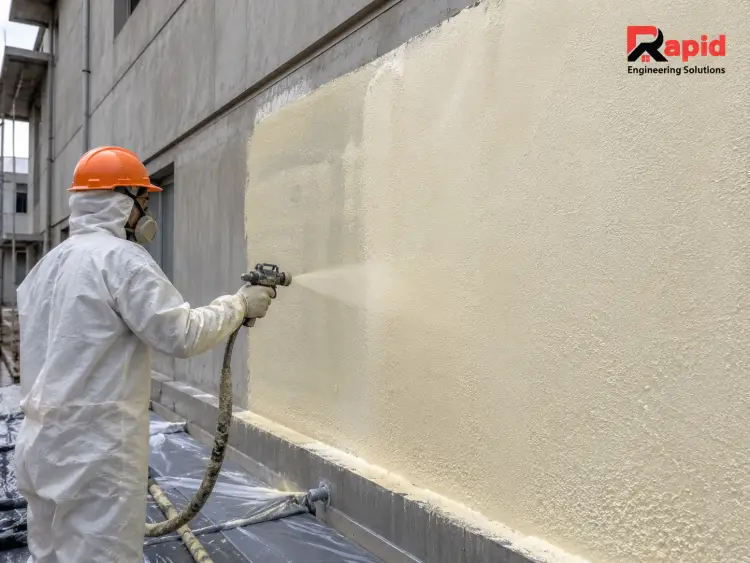
Identifying exactly how water penetrates a structure is the foundational step in selecting the correct engineering solution. Moisture can invade a facility from multiple directions simultaneously, and each source requires a specific response to prevent catastrophic failures.
- Capillary Rise from the Soil: This occurs due to capillary action, where porous concrete and masonry units draw up groundwater from the soil surrounding the foundations. The dampness climbs vertically into the living spaces, resulting in peeling paint, powdery white salt deposits, and eventual structural concrete rot.
- Rainwater Penetration from Roofs: This is one of the most widespread issues, particularly in buildings with inadequate drainage slope designs or micro-fissures in the roof slab. When rainwater pools on a surface, it gradually seeps downward, causing dark damp patches, collapsing ceiling plasters, and potentially hazardous short circuits in electrical conduits—a scenario that demands the prompt application of moisture insulation.
- Internal Condensation (Vapor-to-Liquid Shift): Most frequently observed in poorly ventilated bathrooms and kitchens, condensation happens when warm, moisture-laden air hits cold structural surfaces. This continuous cycle leads to black mold colonies, fungal spores, and persistent musty odors that jeopardize indoor air quality.
- Sanitary Plumbing Leaks: Hidden pipe bursts, cracked fittings, or failing tile grouts within walls and floors represent some of the most dangerous forms of moisture infiltration. Because they often go unnoticed for months, they can trigger localized soil subsidence, dislodged ceramic floor tiles, and severe damage to high-end interior finishes.
For these reasons, establishing high-performance moisture insulation is a critical intervention to shield properties from degradation, preserve structural equilibrium, prevent health hazards, and slash future maintenance and retrofitting costs.
Famous Moisture Insulation Materials in the Egyptian Market
The Egyptian construction sector in 2026 relies heavily on a sophisticated array of modern moisture insulation materials. Contractors and consulting engineers choose these materials based on the specific project demands, environmental exposures, and compliance requirements set forth by the Egyptian Building Code and approved technical specifications.
The Bituminous System
Bitumen remains an industry cornerstone in Egypt for sub-grade protection and foundational sealing.
- Liquid Bitumen (Cold-Applied Emulsions): Primarily used to coat concrete footings, tie beams, and retaining walls touching the soil. It boasts an exceptional capacity to penetrate deep into concrete pores, blocking moisture pathways effectively.
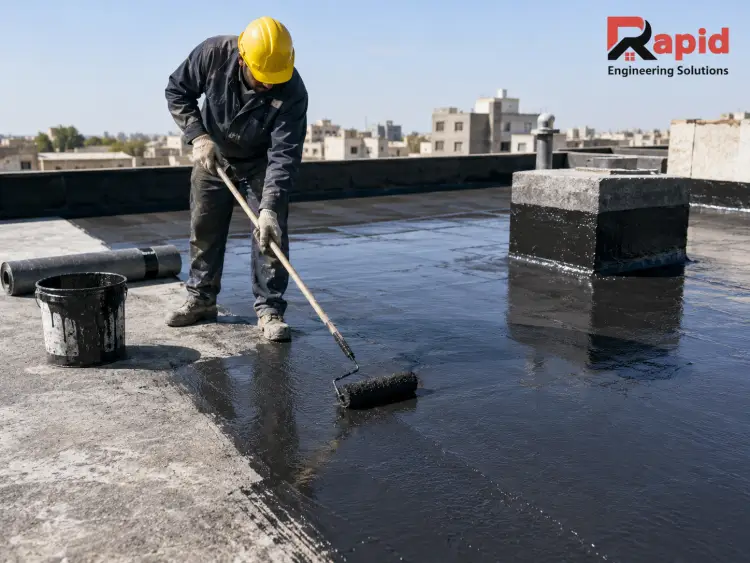
- Modified Bituminous Membranes (Torch-Applied): These are extensively utilized for moisture insulation in roofs, wet areas, and kitchens. Installed using heat-welding techniques, they form a highly durable, continuous waterproofing blanket. Variants reinforced with premium polyester display magnificent tensile strength, allowing them to withstand building settlement and thermal movements without tearing.
learn more about : damp proofing
Flexible Cementitious Coatings
This system serves as the definitive choice for elements subjected to continuous, direct hydrostatic water pressure.
- Composition: A two-part engineered blend of premium cementitious powders and high-grade flexible polymer acrylic liquids.
- Performance: It establishes an extraordinary bond with concrete surfaces, virtually becoming a monolithic part of the structure itself.
- Safety Profile: Being eco-friendly, non-toxic, and volatile organic compound (VOC) free, it is heavily specified for potable water tanks, aquariums, and hydraulic infrastructure.
Polyurethane Liquid Membranes
Polyurethane represents one of the most advanced, high-tier technologies in moisture insulation today, lauded for its dual-action protection capabilities.
- Versatility: Ideal for exposed roofs, industrial metal decks, and structures subjected to extreme thermal fluctuations.
- Elasticity: It exhibits a remarkably high elongation rate, meaning it expands and contracts dynamically with weather changes without suffering from micro-cracking.
- Application: Generally spray-applied or roller-applied, it cures into a completely seamless, joint-free elastomeric membrane, eliminating the weak points inherent in sheet-based systems.
Epoxy Coatings and Injections
Epoxy resins are heavily utilized across industrial floors, chemical storage warehouses, and indoor parking garages.
- Attributes: Known for extreme surface hardness, incredible abrasion resistance, and absolute impermeability to water, oils, and aggressive industrial chemicals.
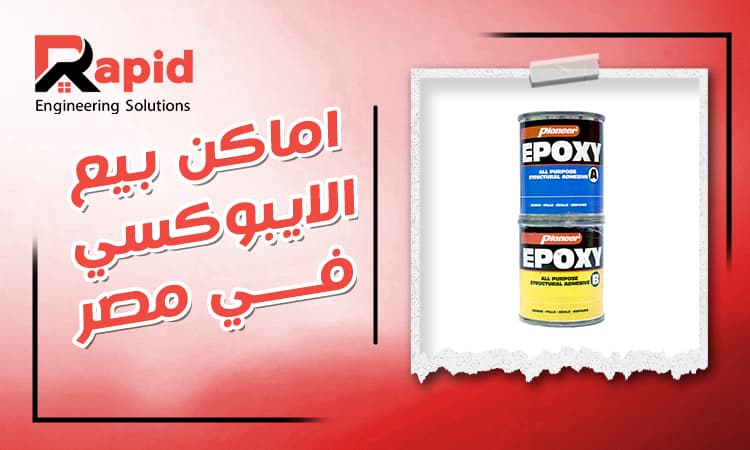
- Remediation Use: Liquid epoxy is also the premier choice for low-pressure structural crack injections, effectively sealing internal voids, arresting active water leaks, and restoring structural load capacities.
Ultimately, the long-term success of any insulation project hinges entirely on matching the right material to the specific site conditions. This requires meticulous surface preparation and the correct application of specialized primers to maximize adhesion.
Applications of Moisture Insulation by Location
Every structural element requires a customized approach because different parts of a building are exposed to varying types of environmental stresses. Implementing specialized moisture insulation strategies across different zones ensures complete, holistic protection.
1. Foundations and Basements (Sub-Grade Insulation)
Foundations require the most uncompromising protection because concrete naturally acts as a hard sponge, drawing up moisture contaminated with sub-surface sulfates and chlorides. When these salts hit the internal steel rebar, they trigger rapid oxidation, rust expansion, and concrete spalling—a condition colloquially termed "concrete cancer."
- All subgrade elements, such as rafts, footings, and neck columns, must be thoroughly coated with thick, multi-layered bituminous coatings.
- Depending on the water table data, hot-applied or cold-applied systems are deployed to establish an unyielding barrier against damp earth.
2. Roof and Terrace Insulation
Roofs bear the brunt of ambient weather, alternating between blazing solar radiation and heavy downpours. Consequently, an exposed roof demands a robust moisture insulation system capable of handling thermal and mechanical stress simultaneously.
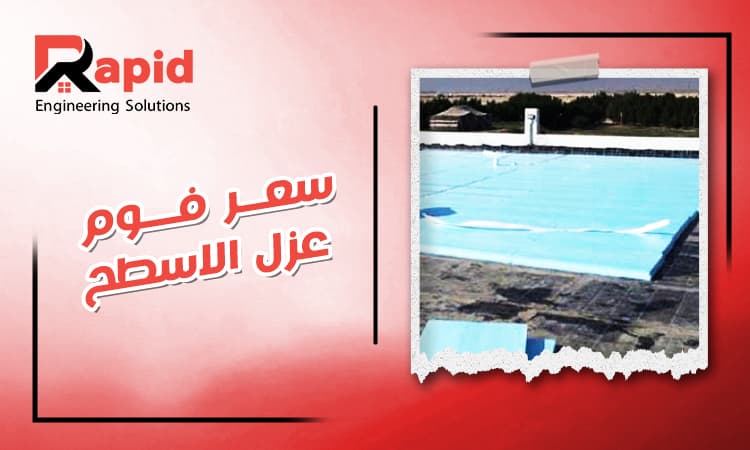
- Un-tiled Roofs: Highly suited for seamless polyurethane spray systems or thick elastomeric membranes topped with an ultra-violet (UV) reflective protective topcoat.
- Tiled Roofs: The insulation layer must be meticulously installed over the structural slab before lay-down works for tiles begin. It is vital to run a 48-hour water flood test to verify there are absolutely no weak spots around rain drains or parapet walls.
learn more about : roof insulation
3. Bathrooms and Kitchens (Wet Areas)
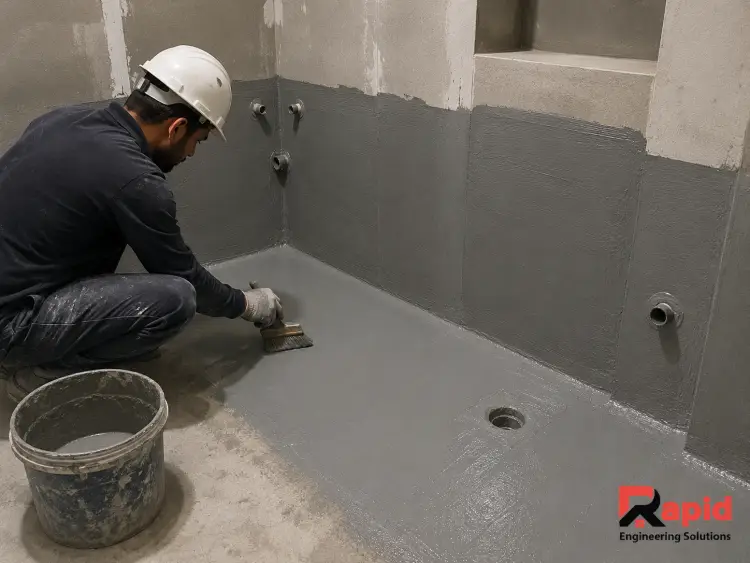
The primary focus here is containing daily domestic water usage, preventing it from migrating into adjacent masonry or leaking into the concrete floors of residential units below.
- Insulation layers must be applied prior to plumbing pipe installations and screed laying.
- All wall-to-floor intersections and pipe penetrations must be reinforced with specialized joint tapes.
- Flexible cementitious coatings are preferred here due to their exceptional compatibility with tile adhesives and excellent water resistance.
4. Remedial Moisture Insulation for Walls
When paint starts bubbling, flaking, or shedding white powder indoors, simple cosmetic repainting will fail. Instead, comprehensive moisture insulation for walls must be executed to resolve the root cause.
[Identify Source] ➔ [Strip Damaged Layers] ➔ [Apply Anti-Salt Treatment] ➔ [Apply Breathable Plaster & Paint]
- Step 1: Run diagnostic checks to pinpoint the source (e.g., rising damp vs. leaking internal pipework).
- Step 2: Hack away all compromised, salt-laden plaster and paint down to the bare brick or concrete block.
- Step 3: Treat the exposed wall substrate with specialized anti-efflorescence chemical washes and deep-penetrating damp-proof barriers.
- Step 4: Re-render the surface utilizing specialized polymer-modified mortars and finished with micro-porous, breathable coatings that allow any trapped internal wall moisture to escape safely without blistering.
At Rapid, we emphasize that utilizing the absolute best materials on earth will yield zero results if the installation lacks professional execution. Poor workmanship almost always translates to system failure within a matter of months.
Essential Steps Before Starting Any Insulation Process
A premier insulation system is only as good as the surface preparation that precedes it. If a contractor applies a premium membrane over an unstable or dirty substrate, delamination and subsequent leakage are inevitable. Adhering to strict preparation protocols guarantees an ironclad bond prior to deploying any moisture insulation medium.
1. Rigorous Surface Cleansing and Dehumidification
- The entire concrete substrate must be mechanically or manually scrubbed to eliminate laitance, loose dust, aggregate debris, and old mortar splatter using wire brushes or high-pressure air blowers.
- All traces of formwork release oils, grease, curing compounds, or chemical contaminants must be neutralized and completely washed away.
- The concrete must be verified as completely dry. Applying bitumen or polyurethane over a damp substrate traps water molecules, which vaporize under solar heat, creating air blisters that rupture the insulation layer.
2. Remediation of Honeycombing and Structural Cracks
- Insulation coatings cannot bridge active structural faults or massive concrete voids. Areas showing honeycombing (skeletal concrete spaces) must be chipped back to sound concrete, cleaned, and patched using non-shrink, high-strength structural repair mortars.
- All static cracks must be opened up into a "V" profile, vacuumed free of dust, and filled with specialized polyurethane or flexible epoxy sealants to ensure a level, continuous surface.
3. Construction of the Chamfer (Bottle-Neck Fillet)
- Right-angle junctions between horizontal floors and vertical walls are notorious stress concentration points where insulation membranes are prone to stretching, tearing, or creasing.
- A concave or angled mortar fillet—often referred to as a "bottle-neck" or "cove"—measuring roughly $5 \times 5\text{ cm}$ must be cast along all perimeters using modified cement mortar.
- This simple architectural modification ensures that the insulation material flows smoothly over transitions, neutralizing stress risks caused by minor building settlements or thermal movements.
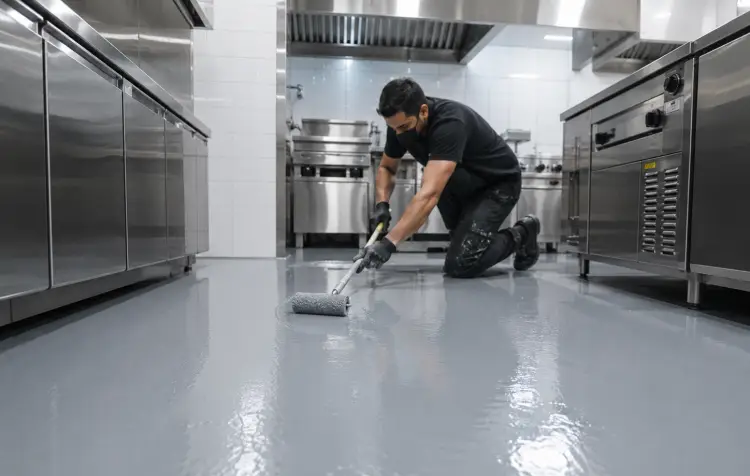
Learn more about the product PU Coating Materials offered on our website
Frequently Asked Questions
Can I paint directly over damp walls?
Absolutely not. Applying paint over an active moisture source will result in blistering, peeling, and complete failure within a matter of weeks. Furthermore, it seals the water inside the masonry, which accelerates the degradation of the underlying plaster and promotes toxic mold colonies. The moisture source must be completely eliminated, and the wall must be thoroughly dried before any finishing works begin.
What is the expected lifespan of moisture insulation?
Traditional systems, such as standard torch-applied bituminous membranes, generally offer a reliable lifespan of 10 to 15 years, provided they are installed correctly. On the other hand, advanced systems like liquid-applied polyurethanes can easily protect a building for 25 years or more, assuming professional execution and the presence of protective topcoats or screeds to block mechanical damage and UV rays.
Which is superior for roof insulation: Bitumen or Polyurethane?
Technically, polyurethane liquid membranes are superior for exposed roof configurations. They create a seamless elastomeric blanket with zero joints (eliminating the typical failure points found in roll-form sheets) and offer combined thermal and water protection. Bitumen represents an exceptionally robust, highly economical alternative that excels in underground foundations, basements, and wet areas, but it lacks the long-term UV and thermal performance of polyurethane when left directly exposed to intense sunlight.
By prioritizing strict technical adherence and partnering with seasoned engineering specialists like Rapid, your property remains dry, structurally sound, and financially secure. Proper execution from day one ensures high-grade moisture insulation performance that eliminates the headache of recurring, costly renovations.
.jpeg&w=3840&q=75)