

blog details
04
Jan
Fire Resistant Paints for Wood: Best Types, Uses & Prices
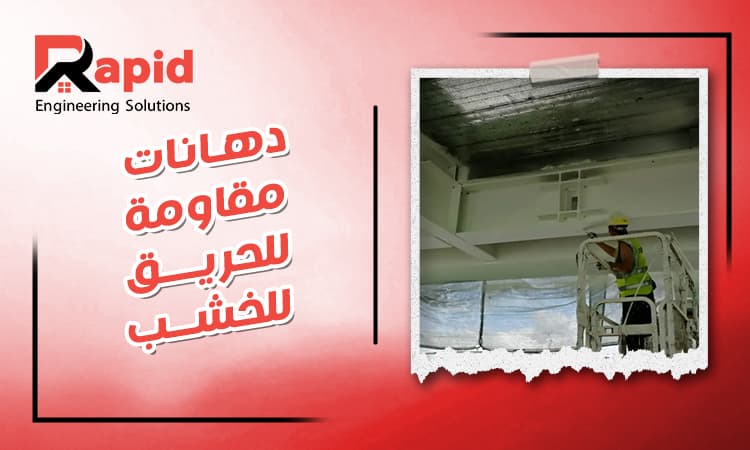
Using fire resistant paints for wood is an essential element in the modern safety system, especially in buildings where the chances of fires are high, such as commercial and industrial facilities and public buildings, as this type of paint contributes to reducing the spread of fire and protecting the structural framework for a longer period.
It is also increasingly used in residential buildings, especially in the most vulnerable places such as kitchens, garages and attics. In this context, Rapid stands out as one of the companies specializing in providing fire-resistant coating solutions according to the highest standards, ensuring an advanced level of safety and protection of lives and property.
What are fire resistant paints for wood and how do they work?
fire resistant paints for wood coatings are a special type of coating designed to protect wooden surfaces from rapid ignition and slow the spread of fire when a fire occurs, without completely preventing the outbreak of fire.
These coatings typically work with intumescent technology, where they react when exposed to high temperatures and swell to form an insulating foam layer that blocks heat from the wood and reduces its transfer to the depth, thus increasing the material's fire resistance time and giving more time for evacuation and fire control. fire resistant paints for wood coatings also help reduce the amount of smoke emitted and improve the overall safety level in the place.
Rapid's fire protection solutions include fire-resistant coatings and systems designed to provide a high level of protection for various surfaces, including flammable materials such as wood, in accordance with international quality standards. The company's services are not limited to selling materials, but also include technical consultations, design and implementation of fire-resistant coatings to ensure effective and sustainable performance in residential, commercial and industrial projects.
Read more about : thermal insulation company
The importance of using fire-retardant paints for wooden structures
- High protection against fire hazards
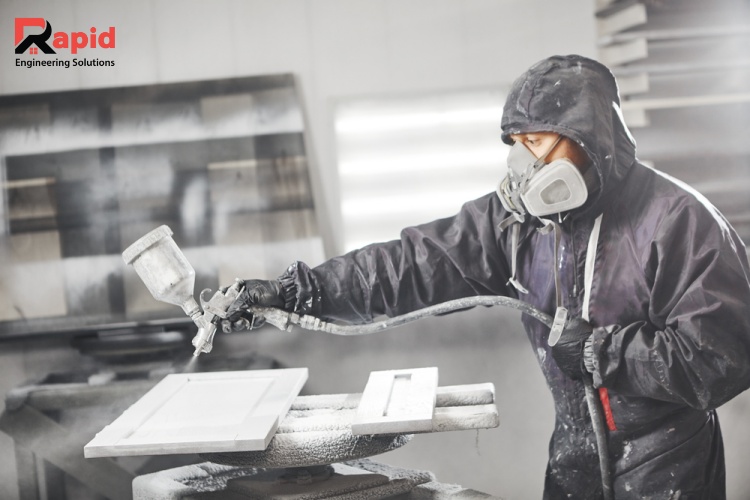
- fire resistant paints for wood coatings significantly slow the spread of fire, providing valuable time for evacuation plans or rapid firefighting intervention, as these coatings react to high temperatures to form an insulating layer that reduces the impact of flames on surfaces.
- The ability to withstand extreme heat
- Fire protection paints are characterized by their high efficiency in resisting the high temperatures resulting from fires, as they work to reduce the transfer of heat to the covered surface for a longer period of time, which limits the ignition of surrounding materials.
- Extending the resistance time of structural elements
- These paints help increase the fire resistance of buildings by protecting underlying materials such as wood, iron, and concrete, thus allowing enough time for safe evacuation or for fire suppression systems to be put into operation before serious damage occurs.
- Versatile use on various surfaces
- fire resistant paints for wood coatings can be applied to a wide range of surfaces, including wood, metal, and concrete surfaces, making them a suitable choice for various types of residential, commercial, and industrial buildings.
- Ease of implementation and maintenance
- Fire-resistant paints are easy to apply and maintain, as they can be repainted or new layers added when needed without complication, ensuring the required level of protection is maintained for long periods.
Types of fire retardant paints for wood
Here are the most popular types of fire resistant paints for wood, used to protect wooden surfaces and reduce the risk of fire in buildings:
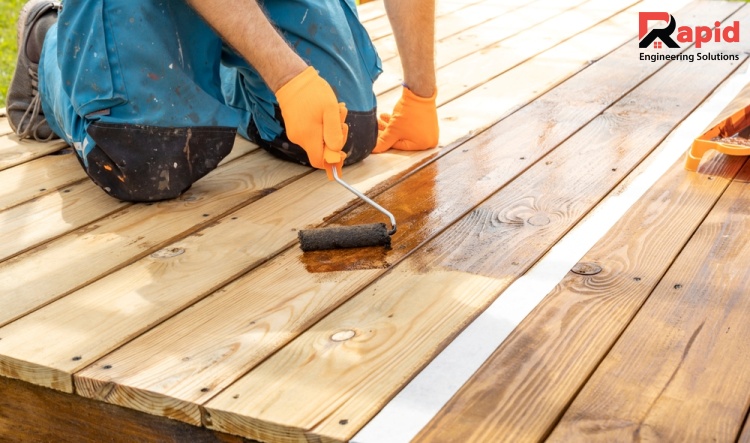
- Intumescent Paints
- It is one of the most commonly used types for wood protection, as it swells when exposed to high heat to form a thick foam layer that insulates the surface and protects it from fire and heat.
- Fire Retardant Coatings
- It works by changing the properties of wood in such a way that it reduces flammability, slows the spread of fire, and reduces the amount of smoke emitted.
- Fire-resistant transparent paints
- It provides fire protection while maintaining a natural appearance, making it ideal for interior work where aesthetics are important.
- High-Build Fire Coatings
- It is applied in thicker layers and provides a higher level of thermal resistance, increasing the protection time of the wood in severe fire conditions.
- Compound paints with thermal insulation layers
- It includes insulating additives that improve protection efficiency by further reducing heat transfer compared to traditional paints.
Each type of fire resistant paints for wood comes with different specifications and performance standards. It is preferable to choose the appropriate type according to the required level of protection, the type of use, and the area to be protected. In Rapid's products, you will find advanced fire-resistant wood paint solutions that suit the needs of different projects and provide multiple performance levels according to the required specifications.
Read more about : epoxy price in egypt
Fire-resistant paints for iron
Fire-resistant paints for iron are among the most important passive protection solutions for buildings, as they aim to protect metal elements from losing their mechanical resistance when exposed to high temperatures during a fire.
This type of paint often works with thermally inflated paint technology, as it reacts with heat and forms a thick, foam-like insulating layer that reduces heat transfer to the iron surface and slows it down to the point of collapse.
This contributes to extending the lifespan of metal structures, and gives emergency teams additional time to evacuate and control the fire, making fire-resistant paints for iron an essential choice in industrial and commercial buildings, garages and various metal structures. Contact us to find out the prices of fire resistant paints for wood.
Heat and moisture resistant paints
Thermal insulation paint primarily aims to reduce heat transfer from the outside to the inside of the building, helping to maintain a balanced and comfortable temperature throughout the year. This directly reduces reliance on cooling and heating equipment, which contributes to increased energy efficiency and lower operating costs for the building.
The main benefits of thermal insulation paint include:
- Lowering temperatures inside buildings: It works by reducing heat absorption from external surfaces such as walls, roofs and metal surfaces, thus improving the indoor climate.
- Reduce energy consumption: Maintaining a stable temperature reduces the need to run air conditioning and heating equipment, thus lowering the electricity bill.
- Protecting external surfaces: It reduces damage caused by continuous exposure to sunlight and high heat, such as cracks and discoloration.
- Enhancing comfort: It provides a more comfortable indoor environment, whether in homes or workplaces, and contributes to improved productivity and quality of life.
- Keeping warm in winter: It helps reduce heat loss during the winter season, thus reducing the need to use heating methods intensively.
The difference between fire retardant paints and intumescent paints
The difference between flame retardant paints and intumescent Fire retardant coating for wood lies in their mechanism of action and the level of protection each type provides. Each is used to achieve a different goal within fire protection systems. Here's the difference:
|
Feature |
Fire Retardant Paints |
Intumescent fire paints |
|
Working mechanism |
It reduces flammability and slows the spread of flames. |
It swells when exposed to heat, forming a charred, insulating layer. |
|
The reaction to heat |
It slows down the ignition without a significant change in shape. |
It expands several times to form a thermal barrier. |
|
Main objective |
Reducing the speed of fire spread and minimizing flames |
Protecting structural elements and extending their fire resistance time |
|
Protection level |
Relatively limited protection |
High protection with effective thermal insulation |
|
Fire resistance rating |
It does not provide a specific resistance time. |
It may provide resistance for up to 30–120 minutes depending on the system. |
|
Application thickness |
thin layers |
Multiple thick layers |
|
Best Uses |
Walls, ceilings, fabrics, decorative wood |
Metal structures, structural timber, concrete |
|
The role of safety |
Reducing the speed of fire spread |
Maintaining the stability of the building during a fire |
Contact Rapid for expert advice and fire-resistant coating solutions tailored to your needs.
Read more about : thermal insulation board
Price of fire-resistant paint
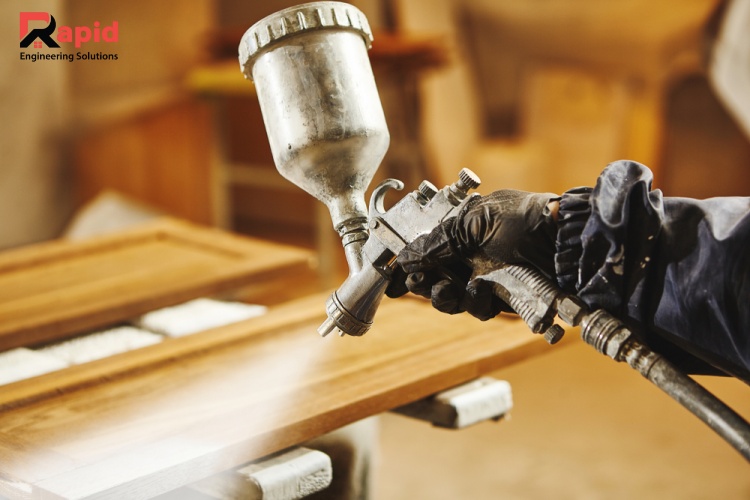
The cost of fire resistant paints for wood varies depending on the type of paint, its resistance level, the thickness of the layers required, as well as the size of the project and the type of surfaces to be protected. Despite the price differences, fire protection investments remain essential to ensure the safety of buildings and their occupants, whether the facilities are residential, commercial, or industrial.
Rapid offers a comprehensive range of fire-resistant coating solutions, along with technical consultations and implementation according to the highest quality standards, to provide effective and sustainable protection for various surfaces.
Ultimately, choosing fire-resistant paints is a crucial step in any project aiming to enhance safety and reduce fire risks. These coatings provide genuine protection for surfaces and structural elements, and can be easily integrated into building designs without compromising aesthetics. Contact Rapid now to learn about the cost of fire resistant paints for wood by calling the following number: +201009102948
Latest posts
Jan 07
Best Fire Resistant Paint for Steel Structures 2026
Jan 04
Fire Resistant Paints for Wood: Best Types, Uses & Prices
Dec 31
Epoxy Price in Egypt | Latest Costs & Installation Guide
Dec 30
Concrete Rehabilitation Solutions for Damaged Structures
Dec 28
Rock Wool Price: Latest Costs, Uses, and Buying Guide

Dec 28
Structural Beam Repair: Causes, Methods, and Best Solutions
Dec 27
Top Concrete Floor Paints: Best Types, Prices, and Uses

Dec 22
Top Advantages of Rubber Insulation for Homes and Industries

Dec 18
Thermal Insulation in Homes Cost: Prices, Types, and Savings

Dec 15
Top thermal insulation company for Energy-Saving Solutions

Dec 11
Roof Thermal Insulation: Best Materials and Installation

Dec 09
Thermal insulation prices in Egypt: Types and buying tips

Dec 03
Cold Polyurea Price in Egypt | Updated 2025 Cost Full Guide
Dec 02
Cold Bitumen Uses, Benefits, and Best Application Methods

Nov 26
Epoxy paint for floors: Benefits, and Best Usage Guide

Nov 19
thermal insulation board against fire

Nov 18
insulation foam price 2025: Cost Factors and Key Benefits

Nov 18
Polyurethane price in Egypt 2025

Nov 14