
service details


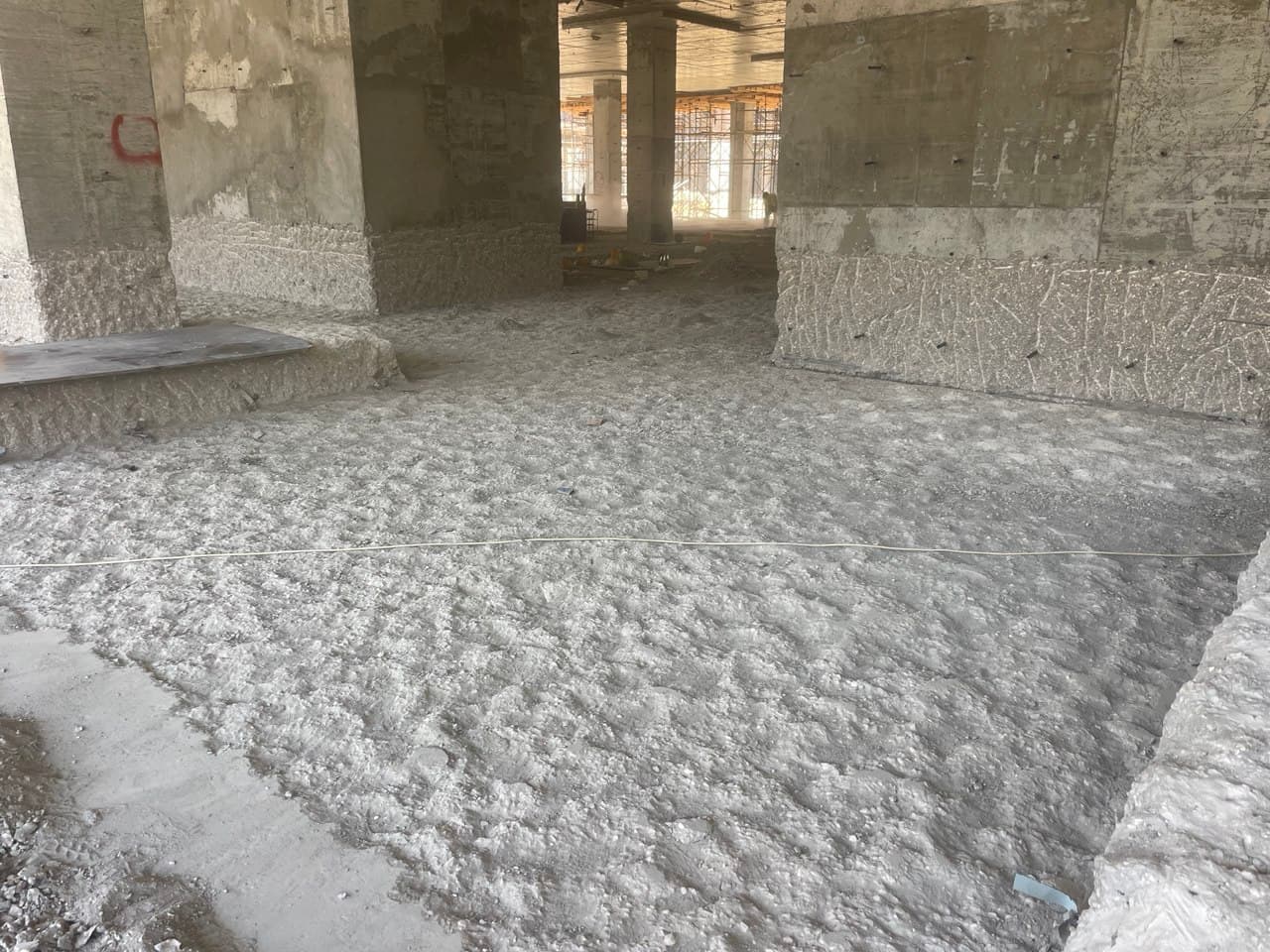

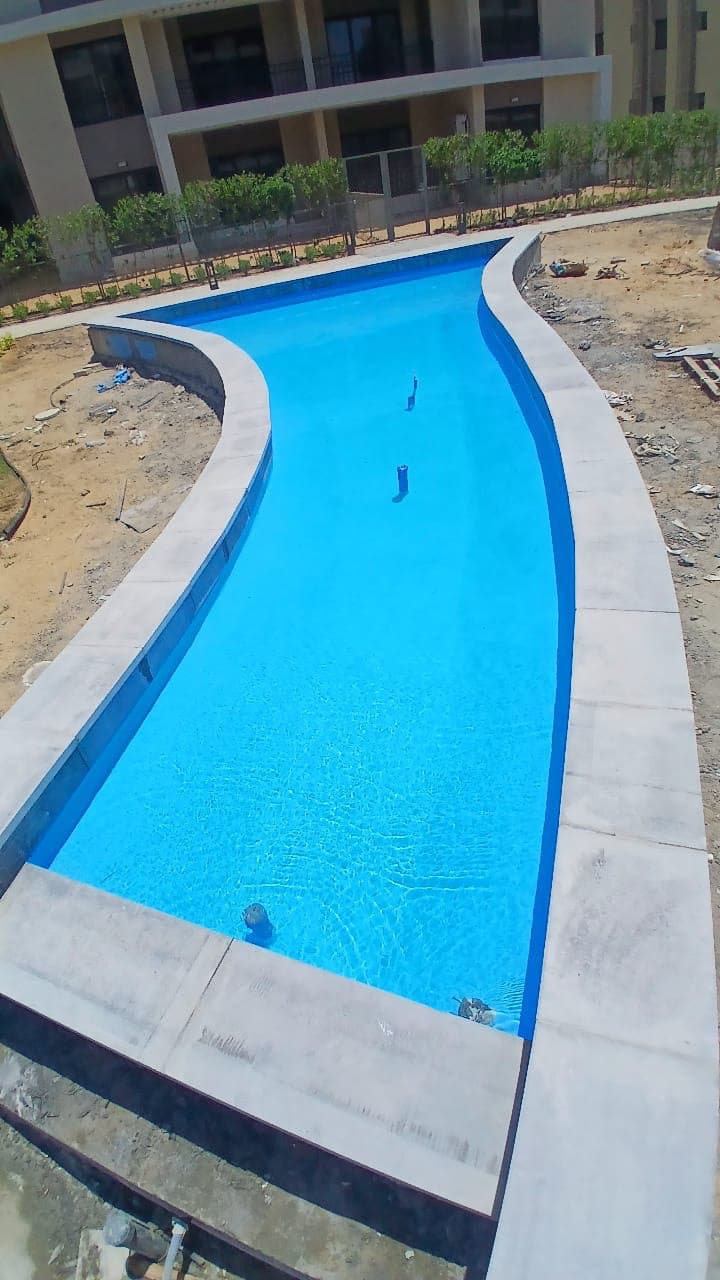
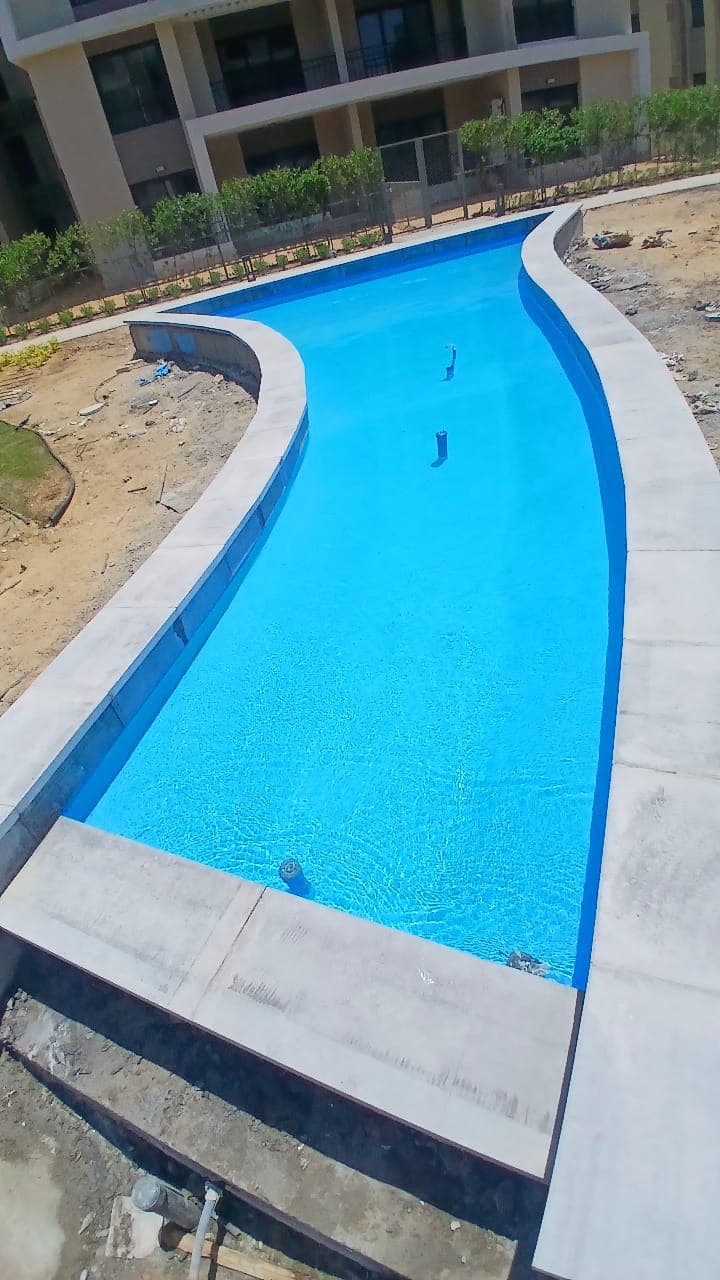
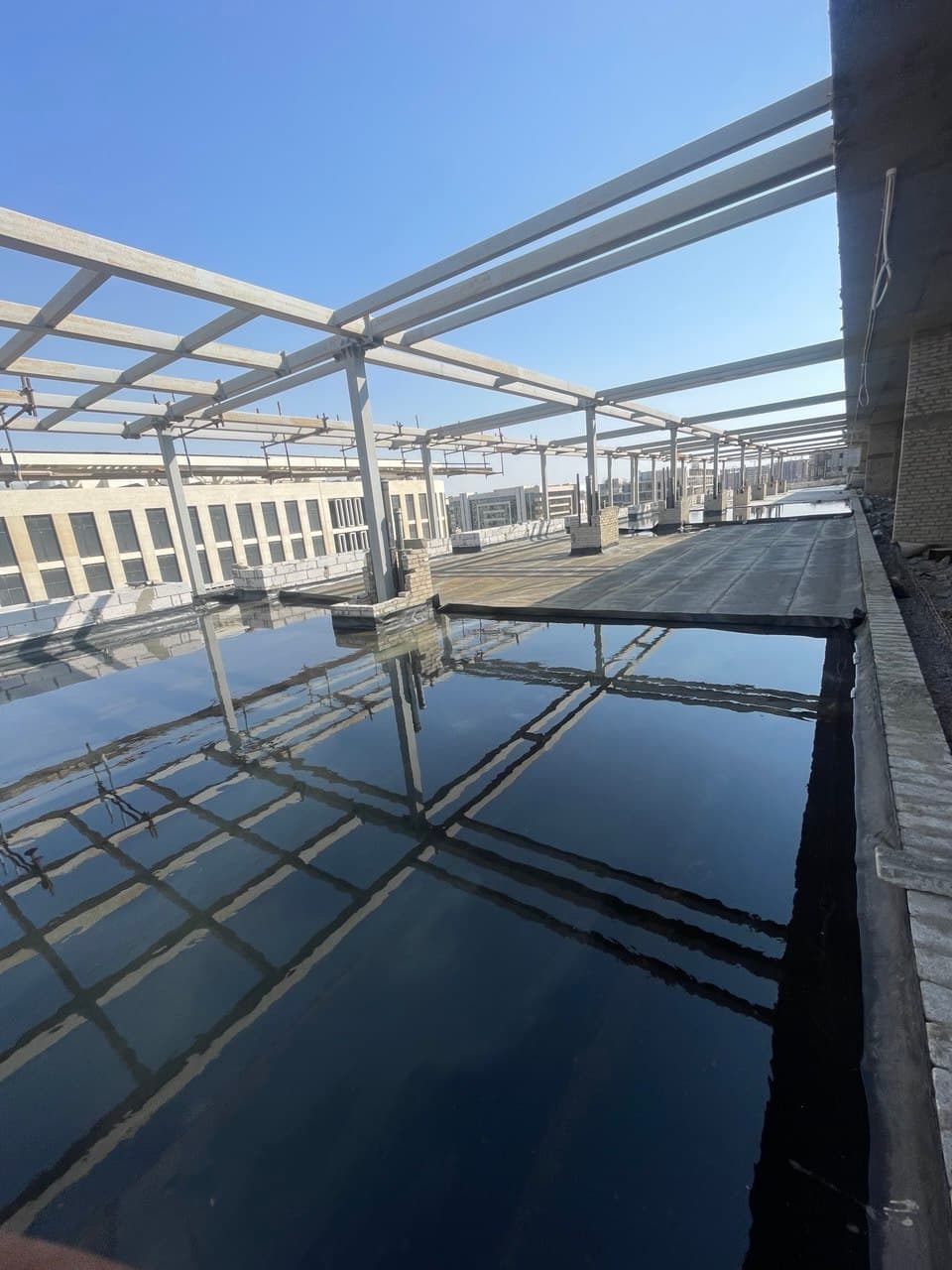


bituminous membranes
APP/SPS bituminous membranes are a type of waterproofing membrane used in the construction sector to protect roofs from leaks and moisture. They typically consist of several layers, including a reinforcing layer, a bituminous waterproofing layer, and a cover layer for additional protection. These rolls are highly resistant to harsh environmental factors, making them an ideal choice for insulating flat or sloped roofs. They are fixed by adhesive or heating to ensure strong, effective, and long-lasting insulation.
What are bituminous membranes (bitumen rolls)?
APP/SPS bituminous membranes are waterproofing materials containing special polymers that distinguish them from other waterproofing products, providing high resistance to moisture and chemicals, along with excellent waterproofing.
Bitumen, also known as asphalt, is a viscous, waterproofing material made up of organic compounds. Bitumen membranes are used as a base layer for waterproofing, applied to surfaces and typically covered with concrete for added protection.
The primary purpose of using this membrane is to protect concrete from corrosion caused by climatic factors such as rain, snow, and humidity, which can cause cracks and fractures in structures. Therefore, a bituminous membrane is an effective solution for providing high resistance and long-lasting insulation.
Advantages of using bituminous membranes in insulation
Self-adhesive bituminous membranes are made from mineral granules, films, coatings, and various surfacing materials. They are known for their high adhesion even at low temperatures, making them an effective choice for waterproofing in the harshest environmental conditions.
Advantages of self-adhesive bitumen membranes:
- No torch or special equipment required during installation.
- Completely safe to use.
- Easy and quick to install.
- Adheres excellently to a variety of surfaces.
- Environmentally friendly.
If you are looking for integrated solutions for waterproofing and moisture control systems, or need specialized advice, choosing Rapid is the best decision, as we are distinguished by the high-quality products and reliable after-sales services we provide to our customers.
Steps for installing bituminous membranes with Rapid
1- The insulating layers are installed over a cement and sand whitewash layer, with the corners filled and all corners wrapped well.
2- Clean the surface to be insulated thoroughly using a wire brush.
3- Ensure that the surface is completely dry before starting insulation.
4- Painting the white layer with a bitumen preparatory layer to fill the pores and enhance the cohesion between the concrete and the insulating layers.
5- Install the bitumen rolls, ensuring an overlap of at least 10 cm between the rolls.
6- Using oxidized bitumen in the bonding process at a temperature ranging between (150-160) Celsius.
7- Raise the insulation by (25-30) cm and secure it with aluminum strips.
8- Test the insulation efficiency by filling the area with water to a depth of no less than 15 cm and leaving it for no less than 48 hours.
9- Protect the insulation layers by adding a protective layer to prevent cracks.
10- After ensuring the integrity of the insulation, tiling work is carried out, taking into account the appropriate slopes for water drainage, whether in bathrooms or on roofs