
service details
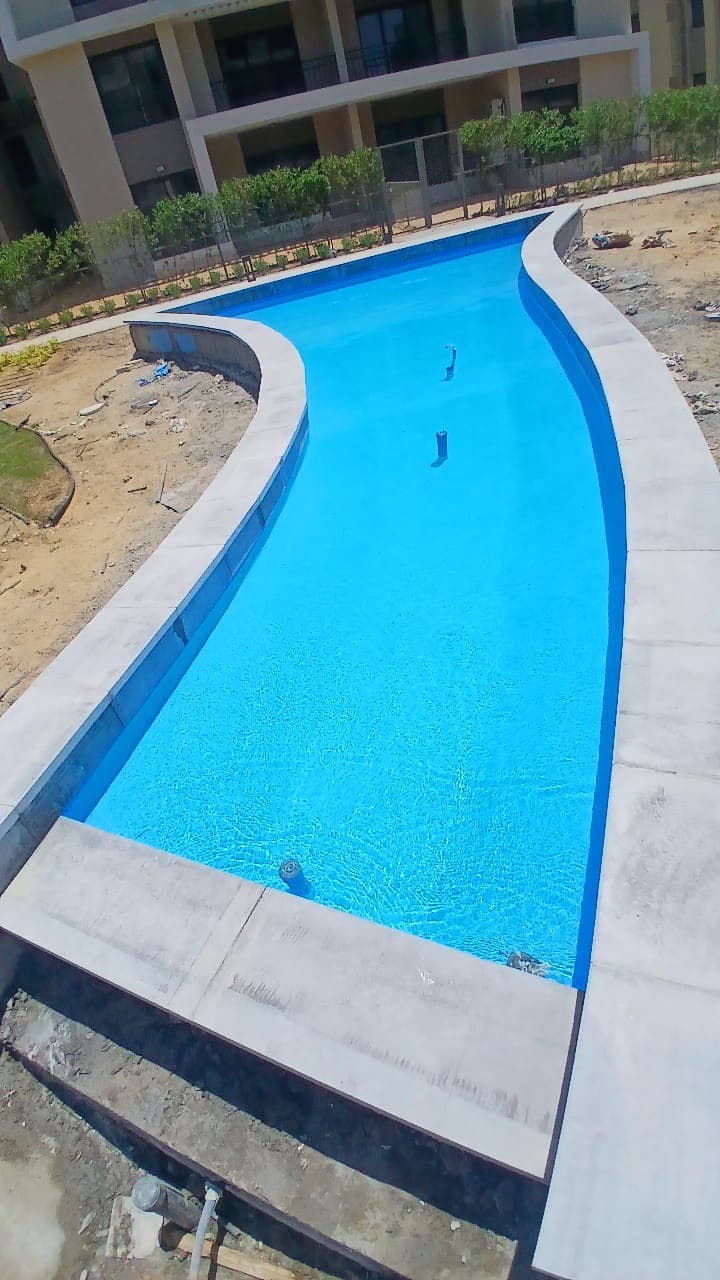
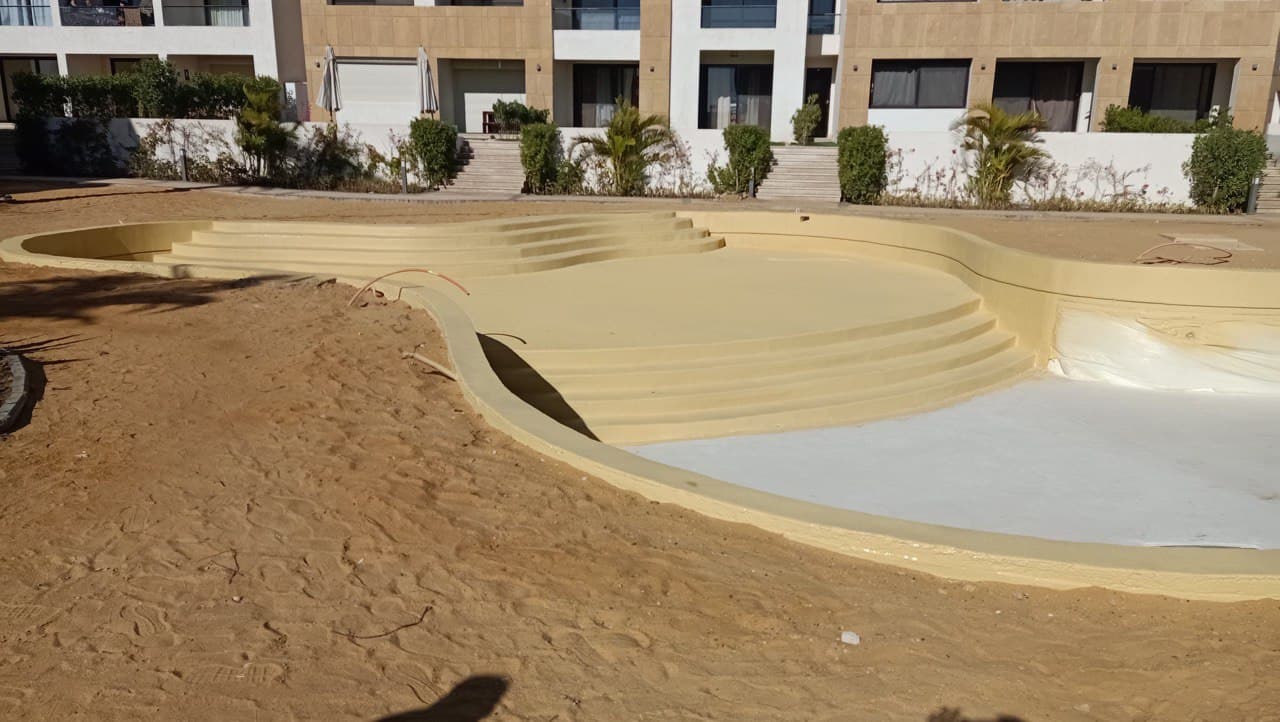
waterproofing
Waterproofing materials for roofs are essential components of the construction phase, ensuring the building is protected from serious problems such as moisture infiltration, concrete corrosion, and reinforcing steel rust.
Neglecting insulation can lead not only to structural weakness, but also to distorting the aesthetic appearance of ceilings and damaging interior decorations, which subsequently requires costly and arduous maintenance and restoration work.
Hence the importance of choosing the best waterproofing materials for roofs provided by Rapid, especially since these areas are most exposed to rainwater and weather elements. Waterproofing is the first line of defense that preserves the building's durability and ensures its long-term sustainability.
What is waterproofing and its importance for buildings?
Roof insulation is an essential step to protect buildings and ensure their longevity. Waterproofing preserves the integrity of the concrete structure from water and moisture infiltration, preventing iron corrosion and cracks that could develop over time into serious damage that threatens the building's stability.
Neglecting insulation can lead to multiple risks, most notably rainwater seeping into the concrete, which can cause rusting of the iron and the appearance of cracks and fissures that weaken the structure. Indoor humidity also exacerbates the problem, leading to the development of mold and fungi that are harmful to health and air quality. Furthermore, paint and interior decorations are susceptible to damage, requiring costly maintenance and avoidable efforts.
Therefore, roof insulation not only protects property but also saves significant future expenses. For the best roof waterproofing materials, you can rely on Rapid, a leader in integrated insulation solutions.
Steps for implementing professional waterproofing
Waterproofing is one of the most efficient solutions for protecting buildings from rain, making it an ideal choice in modern construction projects. The waterproofing process is carried out in carefully considered steps as follows:
- Choosing the insulation material: First, determine the type of waterproofing material appropriate for the location to be insulated, taking into account the nature of the environment surrounding the roof or tank.
- Quantity Estimation: Calculating the quantity of materials required to cover the area, adding a reserve percentage (about 10%) that is calculated as waste during implementation.
- Foundation and wall treatment: repairing concrete and filling cracks and joints using insulating materials such as grouting or cement.
- Site preparation: Preparing the perimeter of the foundation to be insulated by digging or excavating to allow it to be completely covered.
- Surface Cleaning: Remove dust, bumps, nails, or any items that may hinder the sealant's adhesion.
- Final inspection: Thoroughly survey the area to ensure it is free of debris and obstructions before beginning work.
- Prepare tools: Sort materials and equipment and ensure they are ready to complete the insulation process safely and efficiently.
- Moisture Measurement: Test the walls to ensure they are completely dry before starting the application.
- Primer: Apply a primer coat of insulator, and start applying subsequent coats before they are completely dry to ensure bonding.
- Application method: It is recommended to work from the bottom up to ensure complete coverage and prevent any gaps that may cause water leakage.
- Crack Repair: Seal joints around pipes or fittings using suitable materials so that their function is not affected or they are closed accidentally.
- Leveling the layer: Treat wrinkles or air gaps with pressure to firmly adhere the insulation and ensure a level surface.
- Final Protection: Add a non-degradable protective layer when backfilling or finishing to protect the insulator from any sharp or impact materials.
Thus, waterproofing provides a comprehensive solution that combines durability and efficiency, ensuring the protection and sustainability of the building.
Certified waterproofing materials ensure years of protection.
To achieve a comprehensive and effective waterproofing system, it is preferable to rely on one of the bitumen products or combine more than one type together to achieve the best performance. Bituminous waterproofing materials include the following:
- Liquid bituminous emulsions.
- Modified bituminous membranes or coils.
- Bituminous protection panels.
Each of these materials is used to insulate roofs and protect them from water leaks and moisture. Bitumen, from which all of these products are derived, is considered the ideal choice as a strong roof insulator. However, each material has its own distinct characteristics, and choosing the appropriate type depends on the nature of the roof and the customer's requirements, whether the goal is complete insulation, an additional layer of protection, or effective resistance to water leakage.
Rapid is your ideal partner for protecting buildings from damage.
Rapid offers integrated solutions tailored to meet the needs of various projects. We have adopted the latest global technologies in developing our bitumen production lines, enabling us to manufacture a variety of products tailored to each customer's individual requirements.
Our team of experts works closely with clients to develop insulation products to precise specifications that ensure the highest levels of quality and performance, meeting the standards of each project.
We also provide comprehensive technical and engineering consultations for waterproofing and thermal insulation projects, ensuring the most appropriate solution is selected to effectively protect surfaces, provide the best water and moisture resistance performance, and extend the building's lifespan