blog details
21
Jan
Best Roof Insulation for Residential and Commercial Building
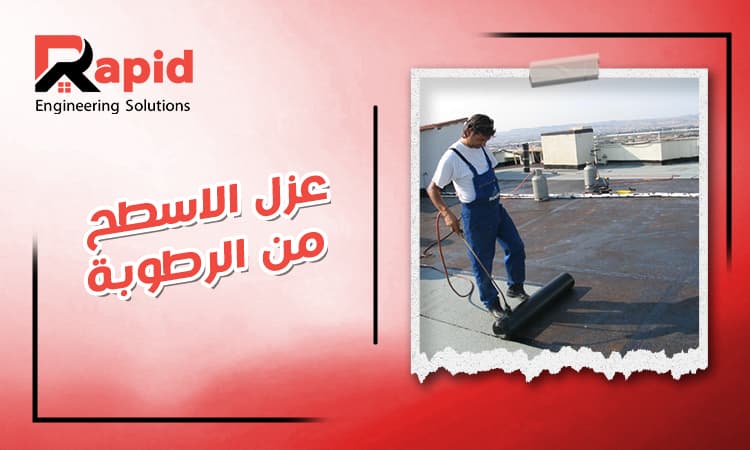
Many people are looking for the best ways to roof insulation from moisture, rainwater, and heat, in order to preserve the safety of buildings and protect them from harsh climatic effects. Choosing the right insulation method and material is the key factor to ensure the highest level of efficiency, whether the goal is to prevent rainwater leakage or to reduce the impact of high temperatures.
Through this article, we highlight the best solutions for roof insulation from moisture, along with providing important tips that help in choosing the ideal materials that match the nature of each project. Rapid is one of the best insulation companies, as it provides integrated solutions based on the latest technologies and the finest materials, to ensure effective insulation that lasts for long periods.
Why is waterproofing roofs necessary?
With the increasing interest of individuals in roof insulation from heat and humidity to prevent the appearance of mold, concrete corrosion, unpleasant odors and water leaks, in addition to the many benefits of this step, which are directly reflected in the comfort of residents and the protection of buildings, the most prominent of these advantages are the following:
- Conserving electricity
- roof insulation from moisture helps maintain a stable temperature inside the building without being greatly affected by external temperatures, as the temperature of insulated rooms does not rise significantly, which reduces reliance on air conditioning and contributes to reducing electricity consumption by more than 50%.
- Maintaining the integrity of the building structure
- The continuous exposure of buildings to weather fluctuations negatively affects the concrete structure, especially in desert areas that experience high temperatures during the day and low temperatures at night. This causes stress on the structure and may lead to cracks. Humidity in winter also weakens the building and distorts its external appearance and paint. Therefore, roof insulation acts as an effective protective layer that preserves the building's lifespan and appearance.
- Environmental protection
- Thermal and waterproofing insulation contributes to reducing the consumption of cooling devices, which reduces the emission of harmful gases resulting from them, and limits the phenomenon of global warming, thus having a positive impact on the environment.
- Reducing fire risks
- Fire-resistant materials are used in roof insulation work to protect against moisture, which helps to reduce the likelihood of fires breaking out and to protect the building and its inhabitants from their dangers.
- Reducing costs in the long term
- Insulation helps reduce expenses associated with electricity bills, in addition to reducing maintenance and repair costs resulting from building damage due to weather conditions, thus providing a comfortable living environment at the lowest possible cost.
Despite the numerous advantages of roof insulation from heat and humidity, using unsuitable materials or implementing the insulation incorrectly may lead to adverse results. Therefore, high-quality materials should be used and the insulation should be carried out by specialists.
Learn more about : thermal insulation company
Comparison between types of roof waterproofing materials
There are many materials for waterproofing roofs against moisture and rainwater, including various solutions such as bituminous insulation in roll or liquid form, polyurethane foam insulation, and membranes.rubberEpoxy materials and these systems protect buildings from leaks, corrosion, and high humidity levels, thus contributing to extending the lifespan of structures. Among the most commonly used materials are bitumen rolls (APP and SBS), polystyrene foam, cementitious insulation, and foam glass, due to their high insulation efficiency and durability. Here is a comparison of the best types of roof insulation against moisture:
|
Insulation type |
Features |
|
Bituminous insulation materials: |
It includes bitumen rolls or membranes that are spread and heated, and are characterized by high insulation strength, flexibility and ability to withstand heavy rain, in addition to liquid bitumen emulsions that are applied to complex surfaces and used to seal cracks and joints. |
|
Polyurethane foam: |
It is one of the best solutions for both water and thermal insulation, as it is sprayed onto the surface to form a continuous layer without gaps, lightweight and highly resistant to moisture. |
|
liquid membranes |
These are acrylic or polymer paints that form a flexible, easy-to-apply insulating layer, providing effective protection against water leakage. |
|
Polystyrene sheets: |
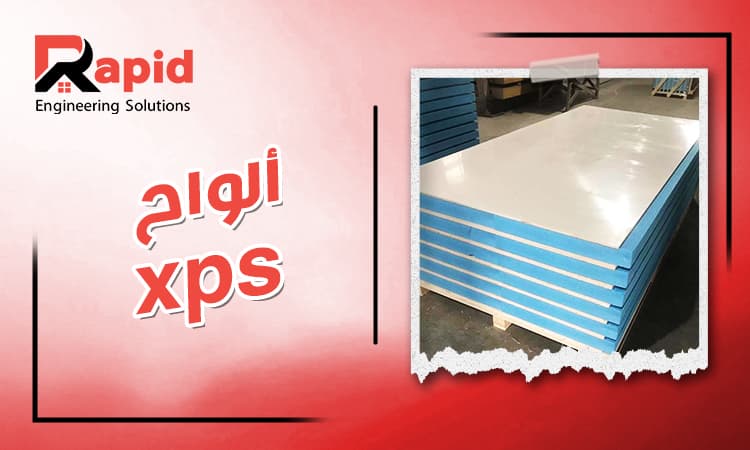
It is characterized by its light weight and high resistance to moisture, and is widely used as a thermal and waterproofing insulator, especially compressed foam boards (XPS). |
|
Cementitious and epoxy insulation: |
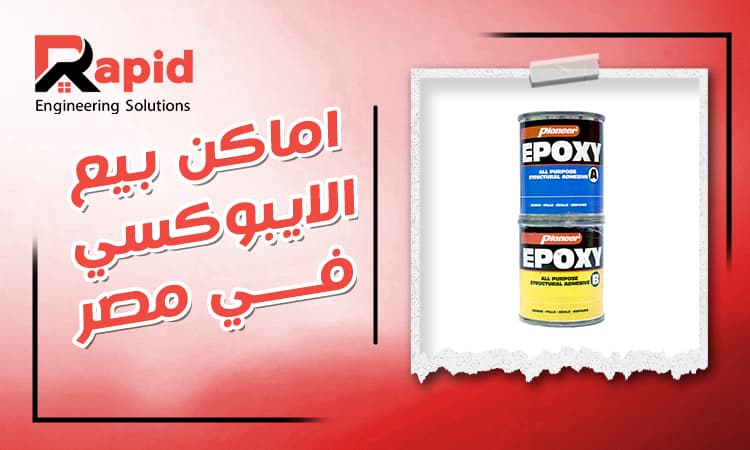
Strong adhesives to concrete, resistant to moisture and corrosion, and used as protective layers for surfaces, especially epoxy designed for insulation work. |
|
Modified and rubberized bitumen: |
It offers great flexibility and a longer lifespan, and is a good choice for waterproofing surfaces from moisture in coastal areas where humidity and salt levels are high. |
The best ways to insulate roofs from moisture
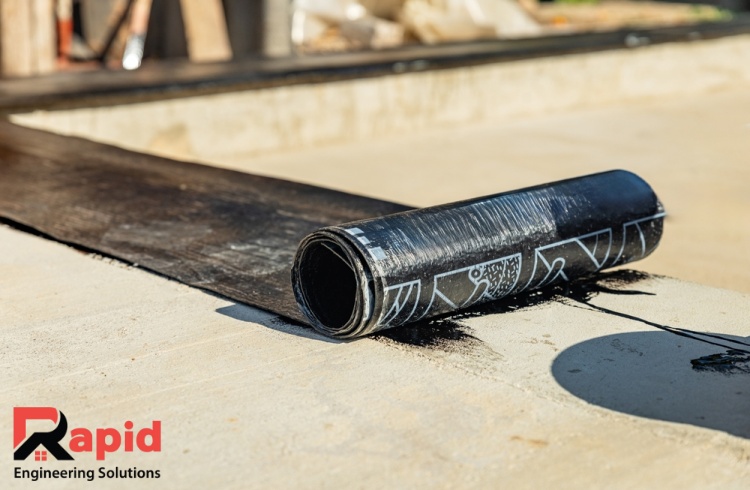
One of the best ways to roof insulation from moisture is with bitumen, as it is a natural insulating material consisting of a mixture of hydrocarbons and coal tar, and it is characterized by high efficiency in preventing water and moisture leakage, which makes it one of the most widely used insulation materials for roofs of all kinds.
Roof insulation using bitumen is one of the most cost-effective insulation methods, as it is characterized by its reasonable price compared to other insulation materials, in addition to the ease of its application, whether manually or using simple equipment. Through Rapid Company, relying on the best insulation engineers and workers in Egypt and the Middle East, it is possible to guarantee the best results of waterproofing and the application of the latest roof insulation methods inside and outside Egypt.
Learn more about the product PU Coating Materials offered on our website
Waterproofing roofs and protecting them from heat
There are many ways to roof insulation from moisture in Egypt, and Rapid Company has provided the best waterproofing products, most notably cold bitumen, which is a highly efficient specialized material for waterproofing and protecting roofs from damage.
Rapid also offers cold bitumen, which combines the advantages of traditional bitumen and ease of application without the need for heating, thus saving time and effort and reducing costs, in addition to eliminating the need for specialized technicians to spread hot bitumen. Therefore, Rapid is an ideal choice for carrying out roof insulation work in the best ways followed in Egypt.
Liquid bitumen can be used for moisture insulation, and it is suitable for insulating flat and uneven surfaces. The following is an explanation of the steps for waterproofing surfaces using bitumen.
Steps for insulating roofs using bitumen
- Clean the surface thoroughly from dirt, dust, and impurities.
- Apply a first layer of bitumen to the surface and leave it to dry completely.
- After the first layer dries, a second layer of bitumen is applied perpendicular to the first layer.
- After the second layer dries, the membrane rolls are unfurled to ensure the highest level of waterproofing.
What is the latest waterproofing material for roofs?
Bitumen is one of the best waterproofing materials for roofs, as it is highly efficient in preventing water and moisture leakage effectively. Rapid Company has been keen to provide bituminous protection rolls, which are among the best solutions used in waterproofing and moisture insulation, in addition to providing heat insulation foam, in order to obtain an integrated system that combines waterproofing and thermal insulation with the highest quality.
Bitumen rolls vary in the markets, but Rapid has developed this product by producing self-adhesive bitumen rolls to make it easier for technicians during the process of insulating surfaces from moisture, as they can be installed directly on the surface without the need to use a flame or make additional effort, making the insulation process safer and easier.
In general, the nature of the surface to be insulated must be determined, whether it is flat or contains bumps and undulations, as this is a key factor in choosing the appropriate type of insulation material.
In addition to taking into account the temperatures that the surface will be exposed to, for example, when using waterproofing in internal foundations, the temperatures are low, while on external surfaces the temperatures are higher and it is more exposed to different weather factors and conditions.
Learn more about : epoxy paint for floors
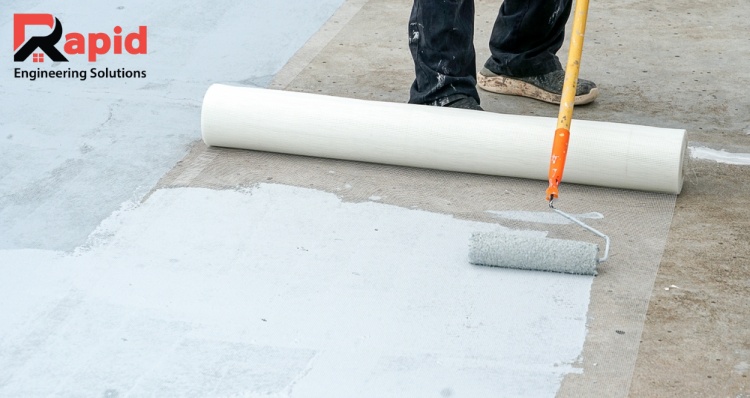
How to insulate roofs above tiles
Many people are looking for a solution without breaking anything, so insulating tiled surfaces is a job that requires special technical expertise, due to the nature of the tiles and their different properties from other types of surfaces. Although the tiles have high water resistance, the smoothness of their surface and the presence of tiny invisible pores may pose a challenge when applying insulation materials. The real problem often lies in the joints and meeting points between the tiles, which are the main route for moisture and water leakage.
For this reason, specialized companies rely on well-thought-out techniques that ensure effective surface insulation from moisture without damaging the tiles or their appearance. The process begins by thoroughly cleaning the surface using materials specifically designed to remove any deposits or insulating layers that hinder adhesion. Then, the surface is treated with preparatory materials that help improve the bond between the ceramic and the insulation layer.
The process of insulating over tiles involves several precise stages, including:
- The entire surface was inspected to ensure the integrity of the tiles and joints.
- Repair or replace any loose or damaged tiles.
- Fill the gaps with flexible materials that are resistant to water and moisture.
- Applying an integrated insulation system consisting of a strong adhesion base layer topped with a top layer that withstands various weather conditions.
The biggest challenge in this type of insulation is to strike a balance between high efficiency and maintaining the aesthetic appearance of the surface. Therefore, transparent or colored insulation materials are used as desired, while providing solutions that can withstand pedestrian traffic and furniture placement without affecting the insulation's efficiency or lifespan.
If you're experiencing moisture leaks on your tiled roofs and are looking for a guaranteed solution that will last for years, contacting Rapid is a smart move. The company offers the latest roof waterproofing technologies with the highest quality standards, a full guarantee, and suitable solutions for every type of roof. Don't hesitate to contact Rapid for a technical consultation and effective protection for your home or building.
.jpeg&w=3840&q=75)